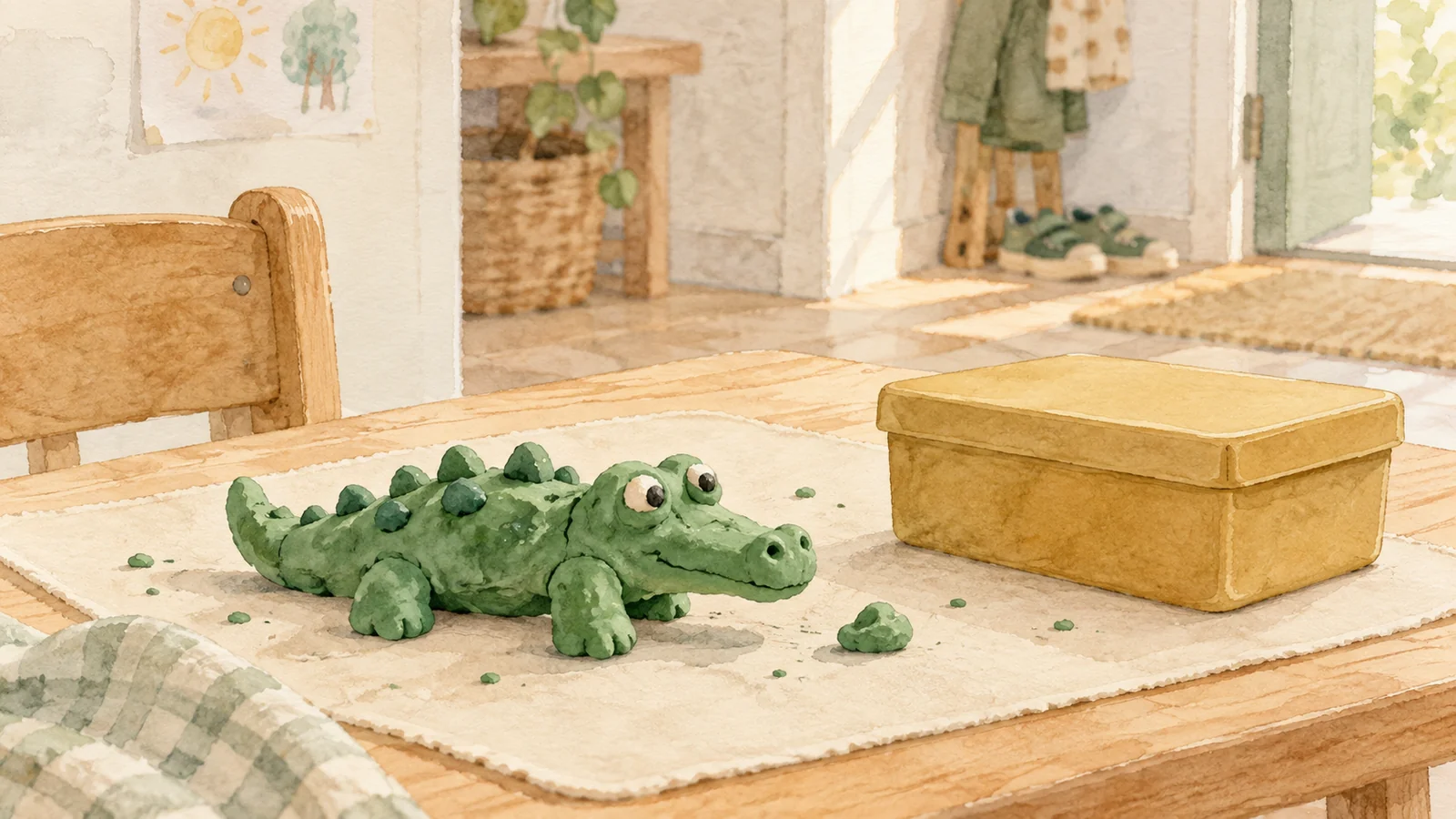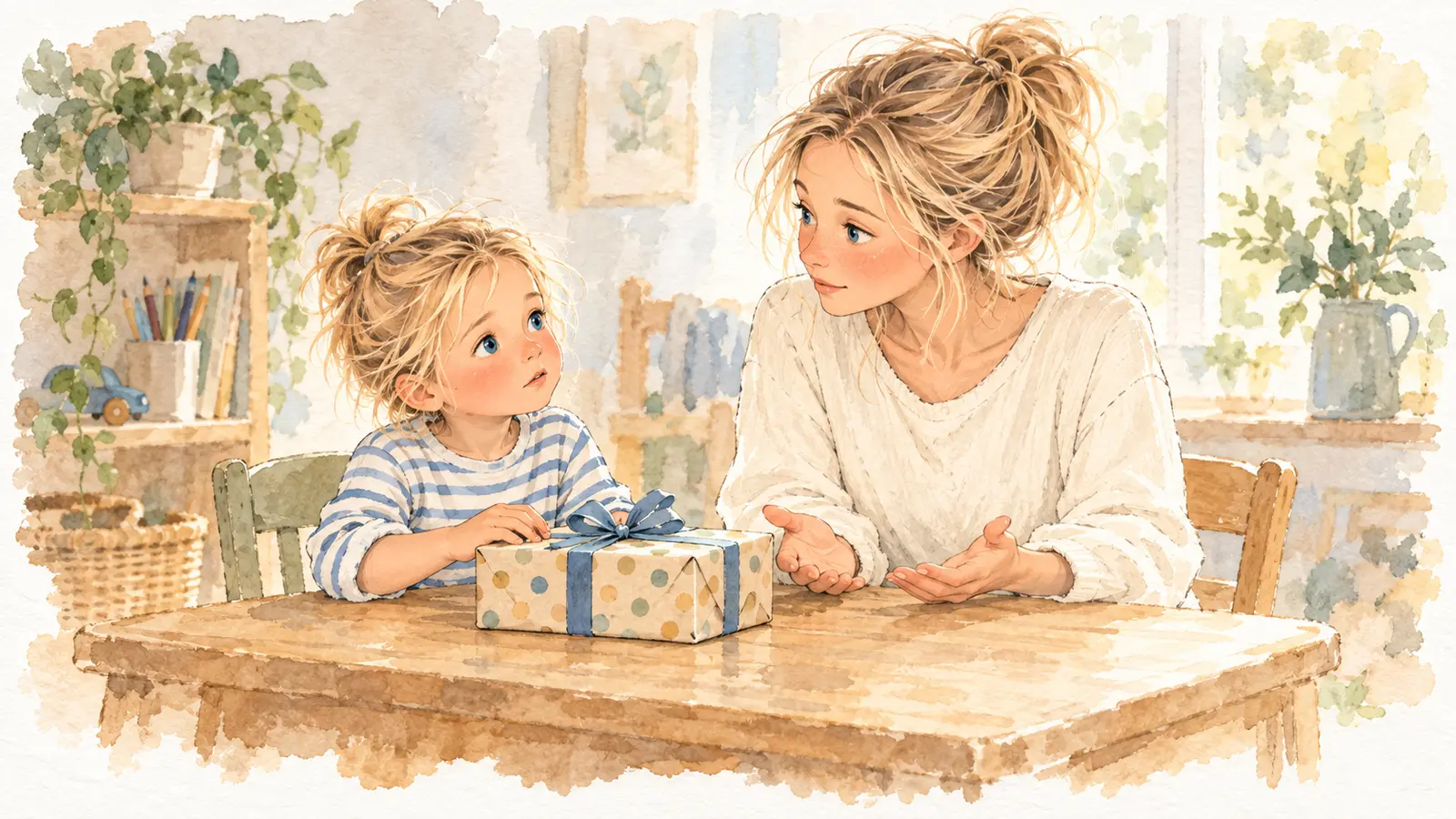
Malo, my almost three-year-old son, wanted a second biscuit just before dinner. I closed the cupboard and said no. He looked at me, very upset, then announced that he didn’t love me any more.
The biscuit vanished from my concerns. I wanted to ask whether he really meant what he had just said. Or reopen the cupboard, which would have been rather expensive bargaining for one biscuit.
An angry sentence isn’t a report on your bond
Hearing your child say “I don’t love you any more” can hurt, even when you know they are little. I didn’t have to become insensitive to remain his parent. But Malo didn’t have to repair immediately what his words had touched in me.
He had just encountered a boundary and had a very powerful sentence for expressing his displeasure. That didn’t mean our relationship had changed within seconds. Nor could I decide that he was coldly calculating how to make me give in.
If I asked for proof of love, our disagreement over a biscuit would become something else. Now he would need to reassure me, perhaps give me a cuddle, before being allowed to stay cross.
I could acknowledge that his words affected me, then seek support from another adult if I needed it. The answer at the cupboard could stay the same.
Keep the no without asking for emotional repair
I took a second before answering. I could hear his anger without discussing exactly how many people he loved at that moment.
“You're very cross because I said no. There won't be another biscuit before dinner.”
“I love you. You can be angry; I'm still here.”
That didn’t oblige me to accept every action that followed. If he hit or threw something, I would stop him. Later, when things were calm, I could help him find other words to say he was furious, without making him replay the scene until I got a satisfactory declaration.
And if these phrases become frequent or come with wider distress, I can look at what is happening in our daily life. A short answer isn’t meant to solve everything.
Malo stayed in front of the cupboard, then sat on the floor. I carried on preparing dinner beside him. Soon he asked where his cup was. I gave it to him without asking whether he loved me again.
Keep this handy
The situation
After a no, your child says they don't love you any more.
Try this
Acknowledge their anger, keep the justified boundary and seek adult support if the words hurt, without asking for proof of love.
- “You don't have to give me a cuddle for me to stay beside you.”
Keep in mind: Understanding the words doesn't mean accepting hitting. Persistent distress deserves a closer look.