
Simple ideas to debug everyday life with kids
Simple ideas to debug everyday life with kids
The journal
Real-life situations, ideas we have tried and small tools to debug everyday life with our children.

Does your child refuse to eat? Counting bites and negotiating can quickly turn dinner into a power struggle. What if we tried insisting a little less?

Does your child receive a gift without saying thank you? We can teach manners and gratitude without turning “thank you” into a word they recite on command.

Does your child ask “why?” all day? Not every question needs an immediate explanation. Sometimes asking what they think opens up their imagination.
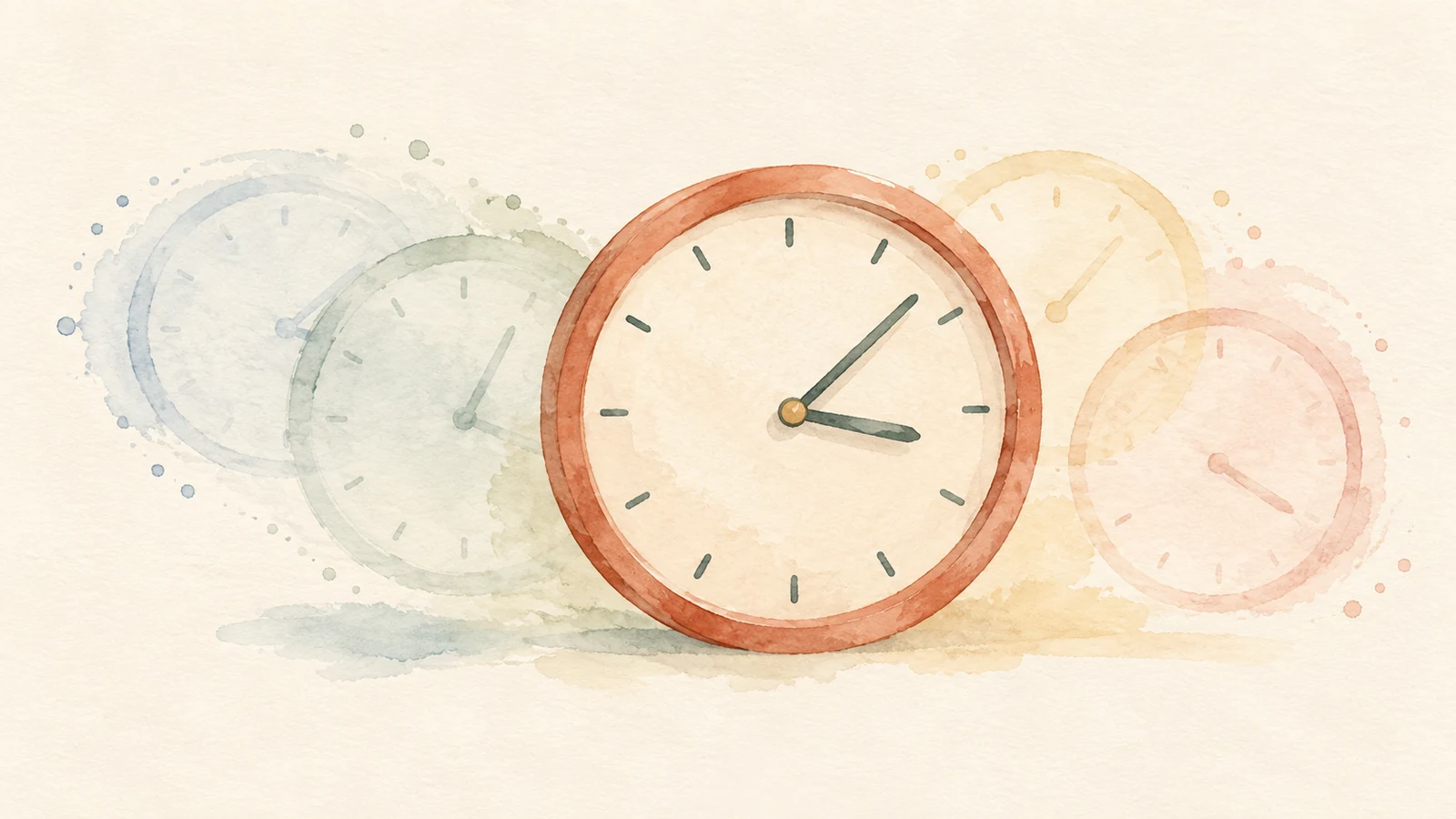
Do you often collect your child later than other families? Pickup time can trigger guilt, even though it says very little about your whole day or the kind of parent you are.

Does your child deny something that is plainly obvious? At three, that little “no” may not mean the same thing as an adult lie.

What do you do when another child pushes or hits yours? A simple boundary can protect your child without judging the other child or their parent.

Does your child want to put their shoes on alone when you need to leave? A few compromises can protect their independence without losing the whole morning.

Did the three-day potty training method not go as planned? Toilet learning does not always move at the pace promised by a programme.

Does your child refuse to walk and ask to be carried? Saying yes while giving them a small role can sometimes turn the journey into cooperation.

No time for a real break? In the middle of a day with young children, a few quiet seconds can still be enough to catch your breath.

Is your child still angry despite all the words, explanations and suggestions? Sometimes stopping the discussion and changing direction can help everyone move forward.

When you care for more than one child, being alone with just one of them can suddenly feel surprisingly restful. A small pause from divided attention.
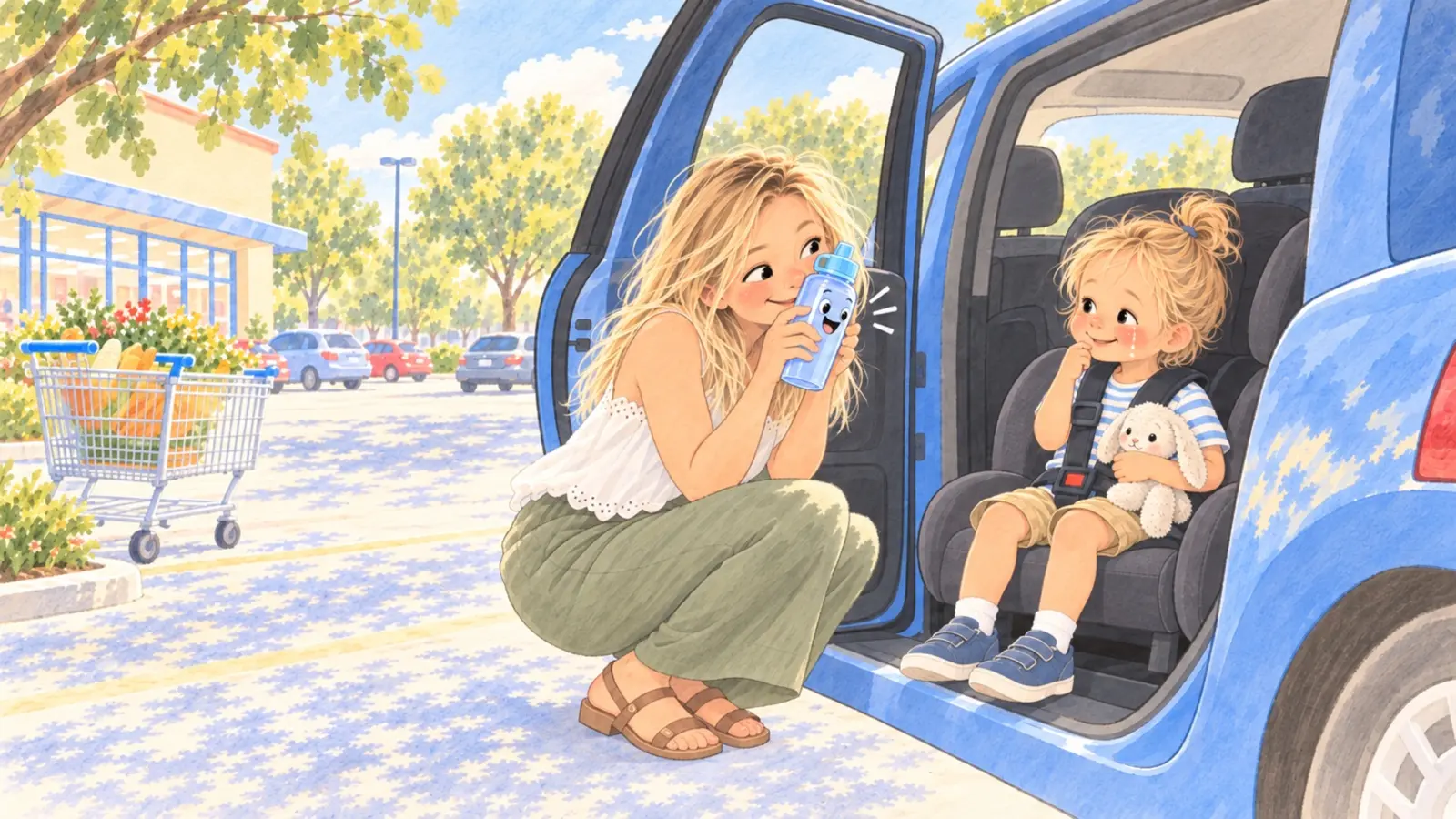
Is your child still angry after you have tried every tool you know? Sometimes no phrase can make a big feeling disappear, and what is needed most is time and presence.

No time for a proper workout with a baby? Five or ten minutes of movement still count, even when the session keeps getting interrupted.

Is your child refusing to move because they are exhausted? A little play and imagination can sometimes unlock the moment without adding more pressure.

Stuck in a power struggle even though the rule is clear? Saying how you feel can sometimes change the dynamic without changing the boundary.

Is your child too overwhelmed to hear your explanations? Play and imagination can sometimes help you get through the moment without changing the boundary.

Is your child dawdling when you need to get somewhere? Joining their game for a moment can sometimes work better than repeating “hurry up”.

Is your child very angry and struggling to find words? Asking them to show how big the feeling is can make it visible and easier to move through.
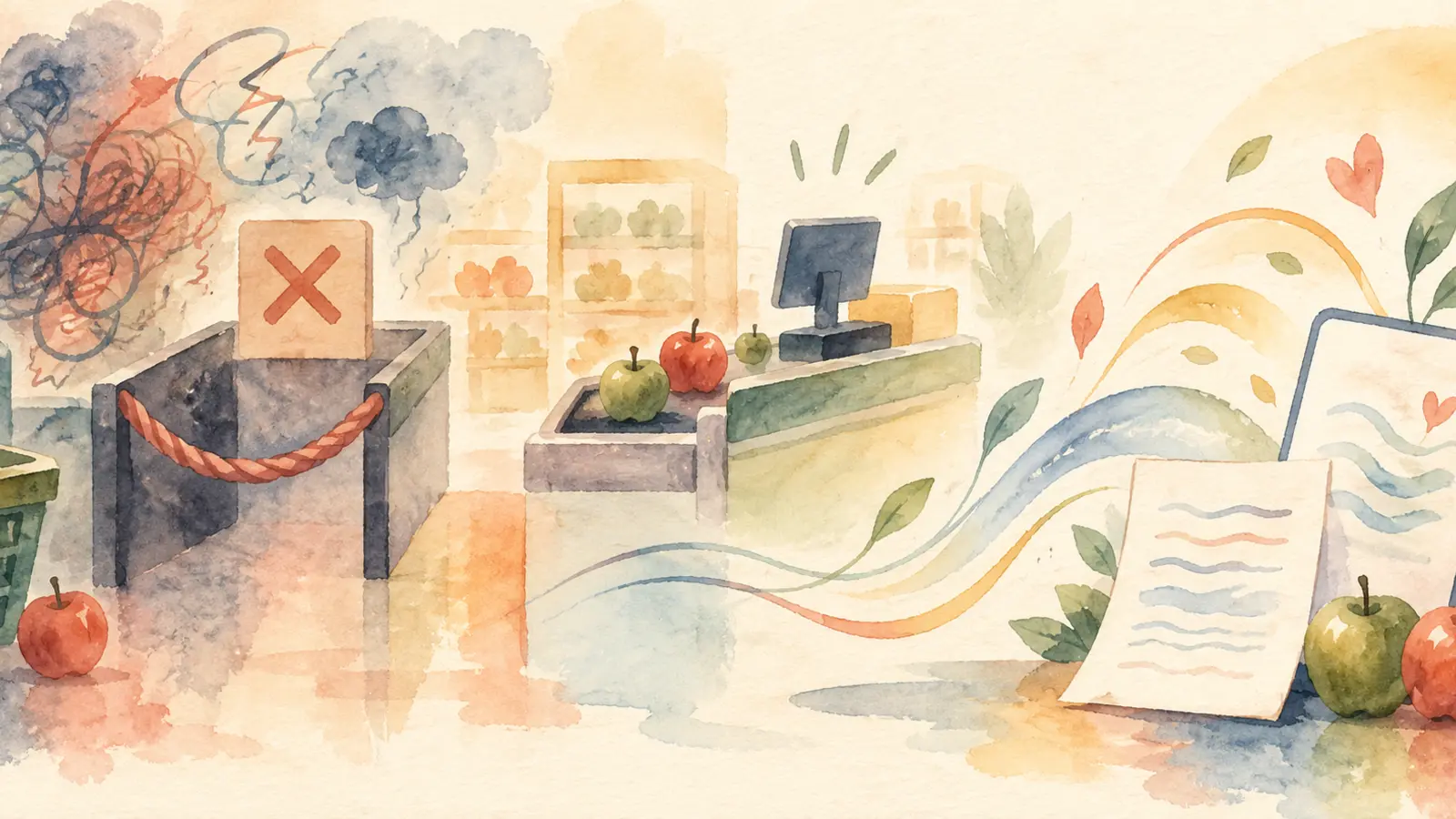
Is your child still overwhelmed after a big emotional moment? Writing down what happened can help them put the experience somewhere and feel heard.

Is your child overwhelmed? Before correcting, explaining or finding a solution, acknowledging the feeling can help lower the tension.
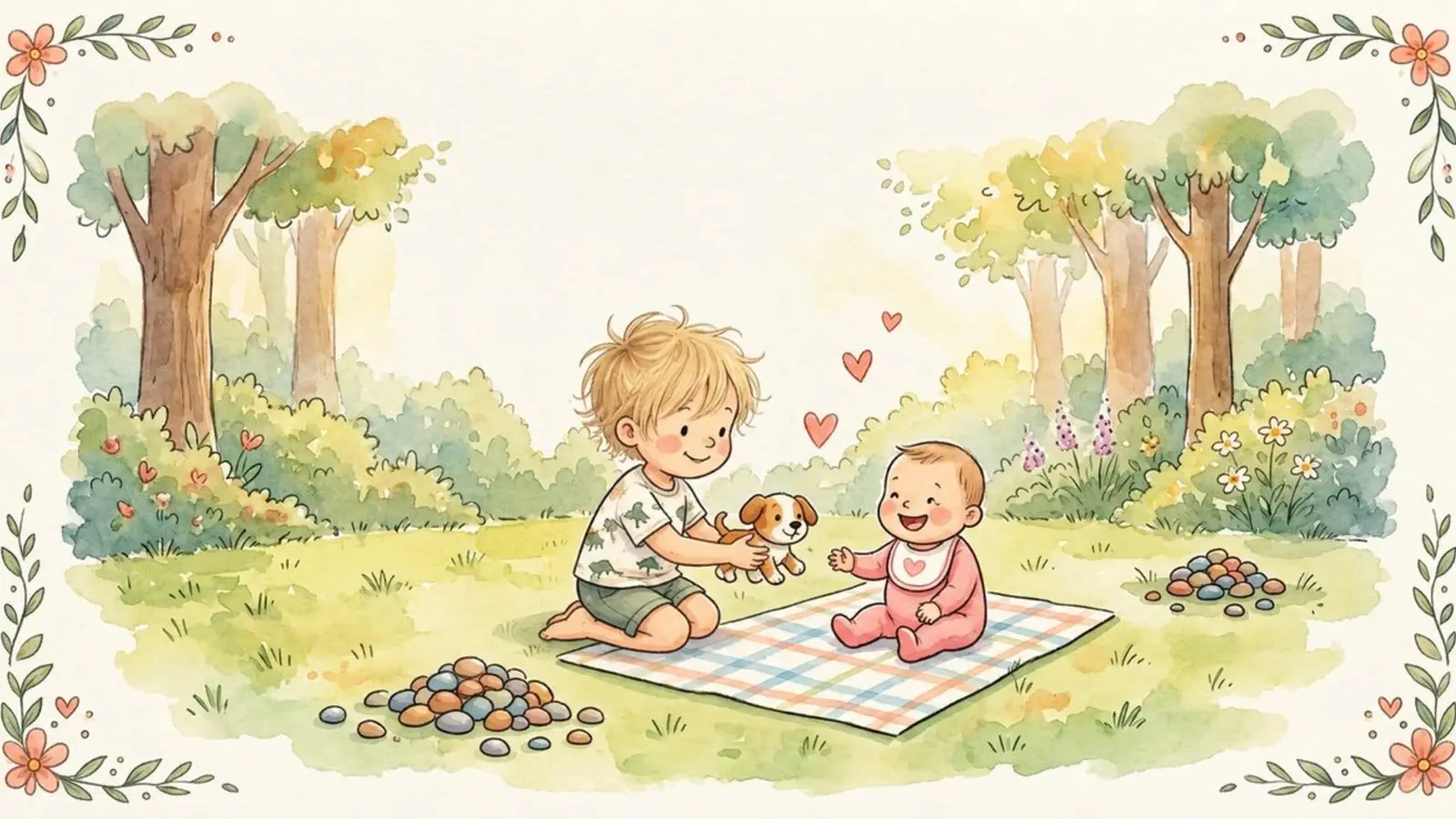
Do you feel as if you say “no” all day? Here are three ways to hold a boundary without automatically turning it into a power struggle.

Is your child asking for something you do not want to agree to? Between yes and no, an alternative can sometimes keep the idea alive without dropping the boundary.

Does your child refuse to get into the car when it is time to leave? Two small choices can sometimes turn a power struggle into cooperation.

Is your child overwhelmed by a big feeling? Drawing, playing, moving or tearing paper can give that emotion another way out.
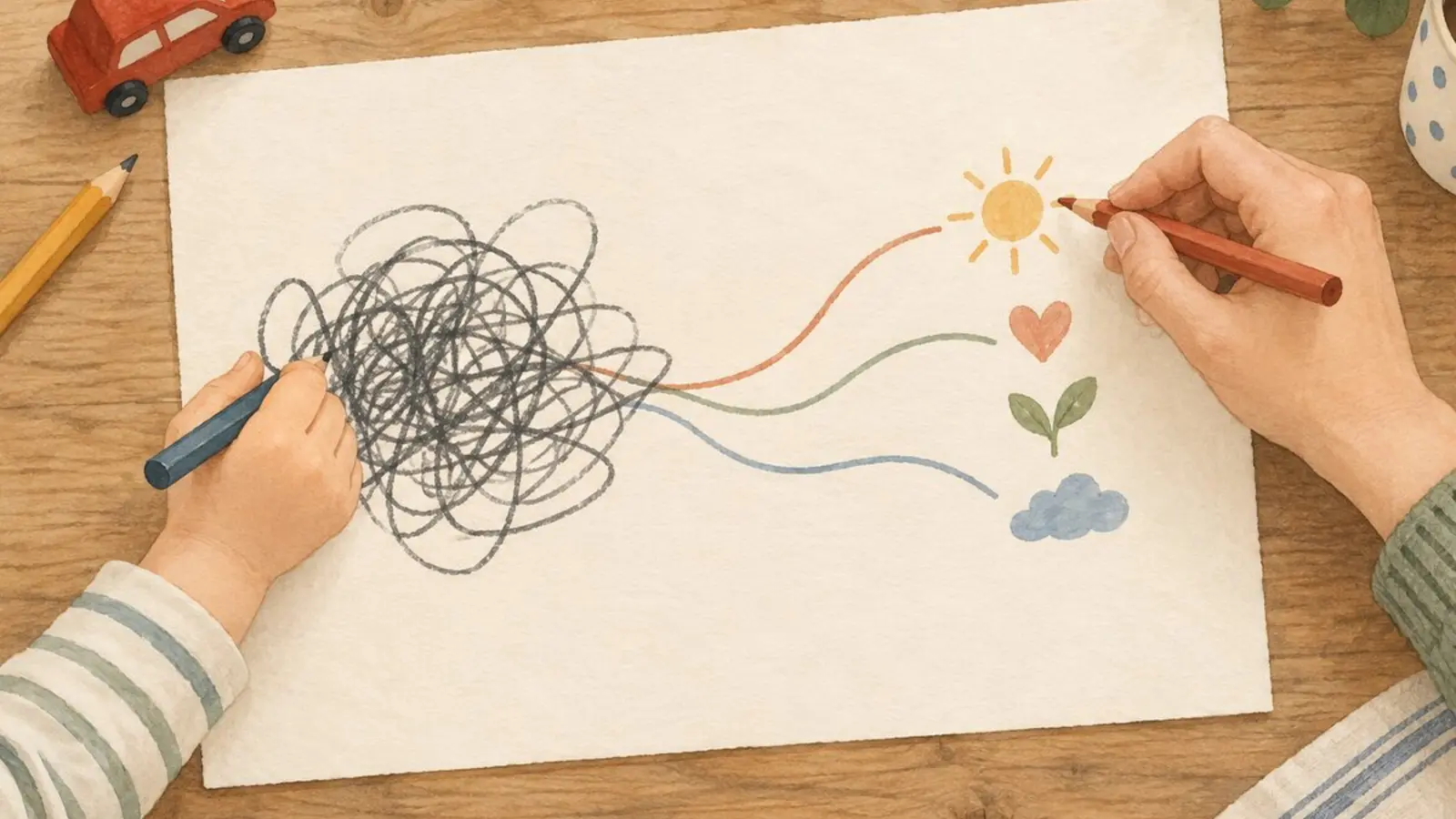
Is your child struggling to talk about how they feel? Writing, drawing or making a list can help them express emotions another way.