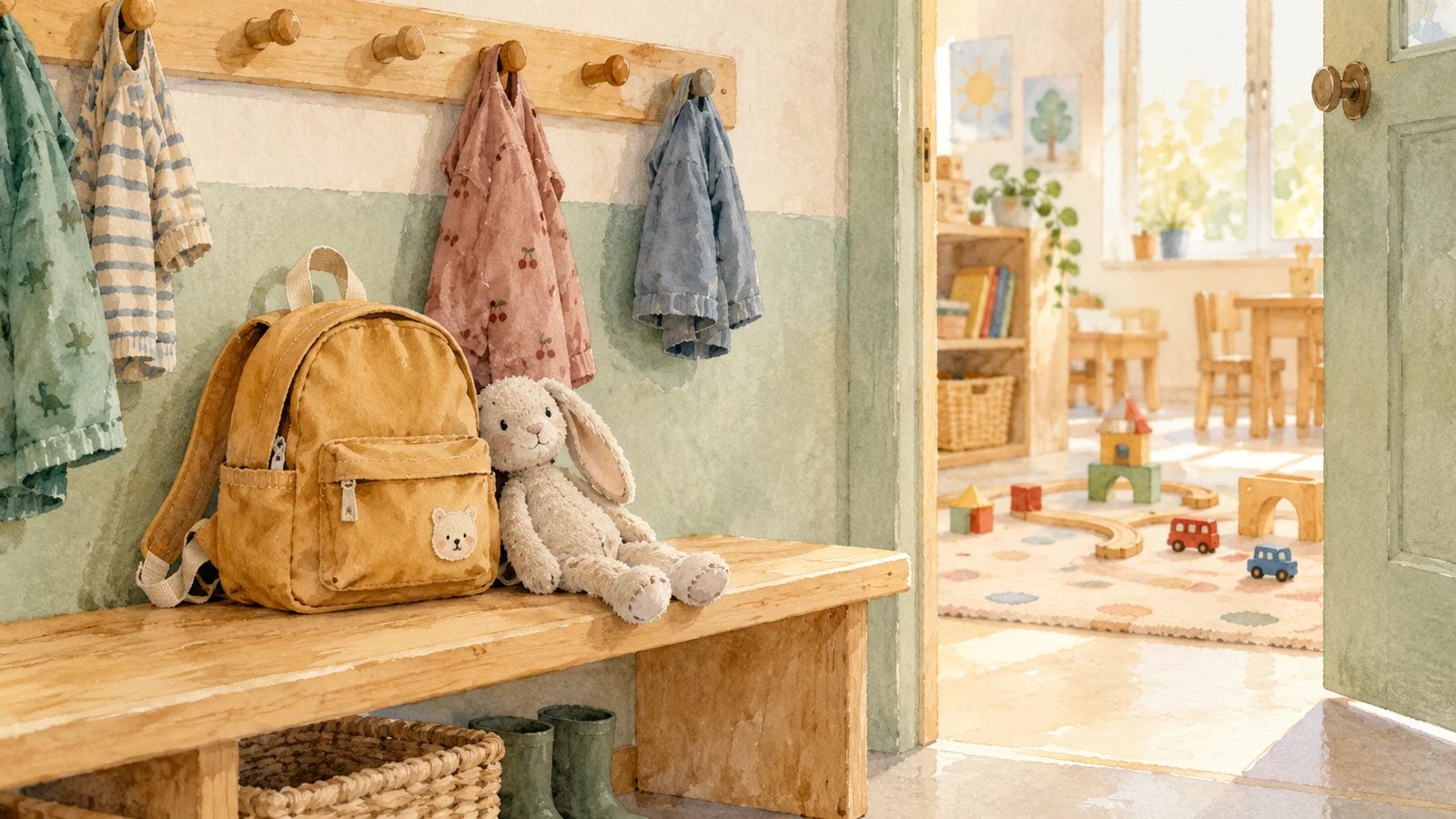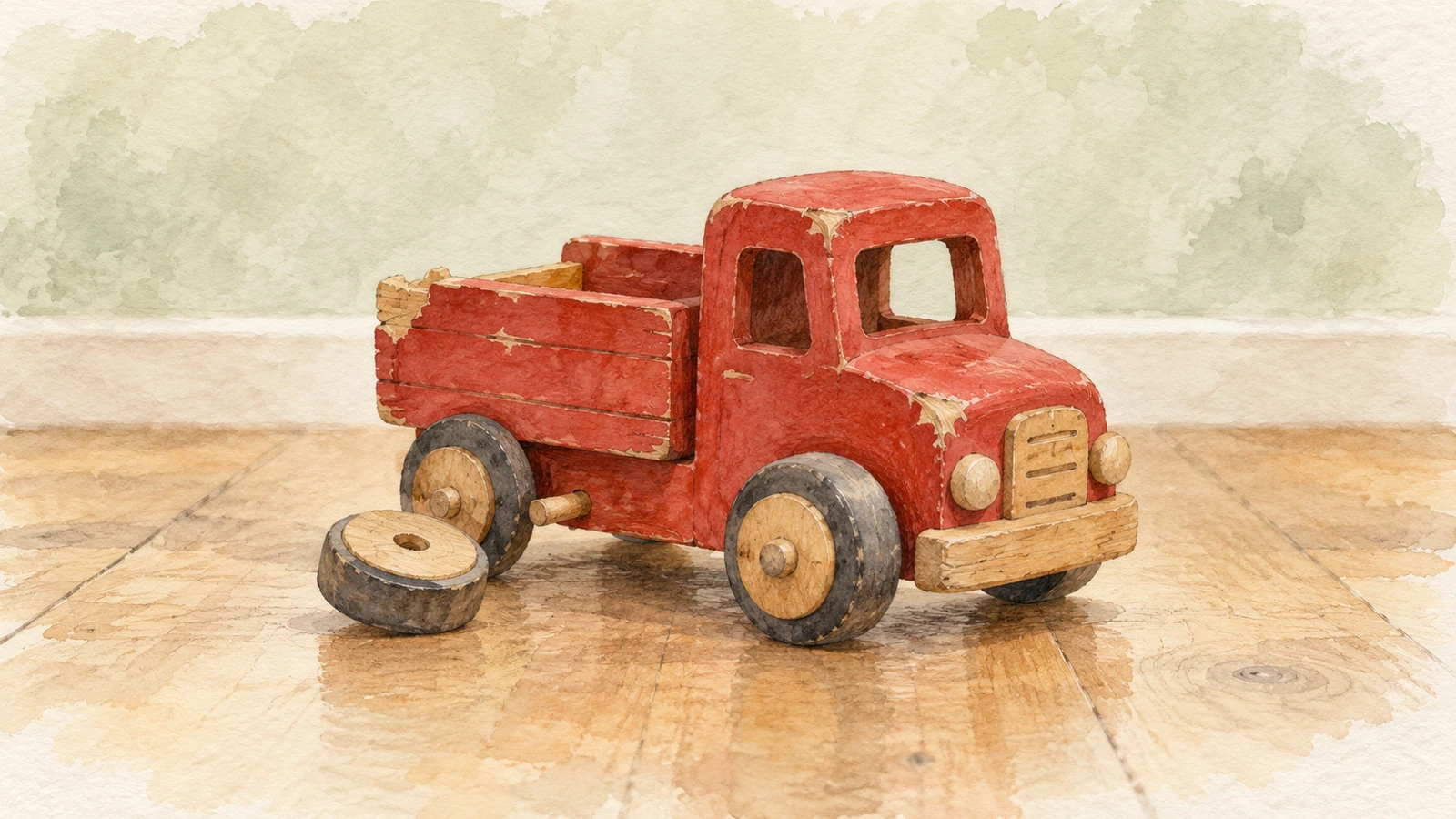
In the nursery entrance, Camille, mum to Malo, who was nearly three, learned that he had bitten another child. A caregiver described the scene: two small hands on the same truck, then tears.
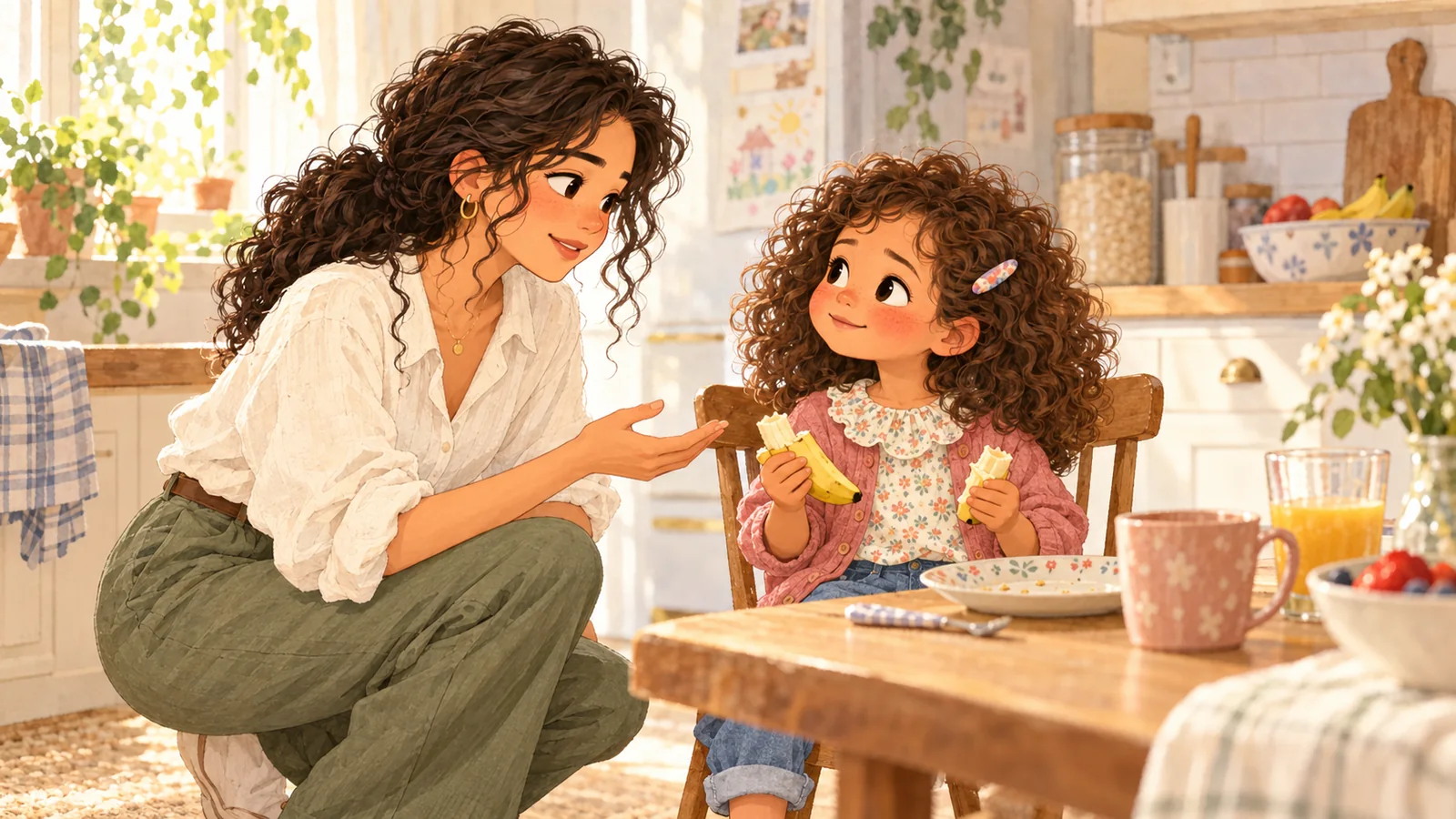
On the way out, Camille heard herself say, “Biting is naughty.” Malo lowered his head. She meant to describe the action, but she had just given him a word that could describe him too.
Her child had bitten someone at nursery. She was worried about the child who had been hurt and already worried about next time.
Stop the bite without putting the child on trial
At the time, the staff had separated the children and looked after the child who had been bitten. He needed comfort, any necessary care and the chance to play again without fearing another bite.
Understanding Malo didn’t take anything away from that. Camille didn’t have to choose between standing by her son and acknowledging that another child had been hurt.
What worried her was what came next. She imagined parents no longer wanting their child to play with him. And she badly wanted Malo to promise never to do it again, as if a promise in the corridor could replace close supervision the next day.
Instead, she wondered what he had needed when the truck changed hands.
A child who bites: look at the seconds before
The caregiver had noticed that Malo was tired and the vehicle corner was very crowded. Those were clues, not a certain explanation. Camille could ask whether bites mostly happened before lunch, over a toy or when another child came too close.
Naming those circumstances made it possible to plan something specific with the staff: stay closer during a difficult moment, make more space or step in before a disagreement escalated.
Once Malo was calm, she could briefly revisit what had happened. Having the words doesn’t always mean being able to hold back, but they could try another way to ask for help.
“I won’t let you bite. It hurts.”
“When you want to keep the truck, you can say ‘stop’ or come and find an adult. Let’s practise.”
At home, they tried it with two little cars. Camille brought one close to Malo’s. He said “stop”, very loudly. It wasn’t a guarantee for tomorrow, but they had something they could practise together.
If the biting continued despite the changes, she would discuss it with the staff and a health professional to find further support.
Tomorrow, Camille would ask how the morning had gone. Not whether Malo had been good.