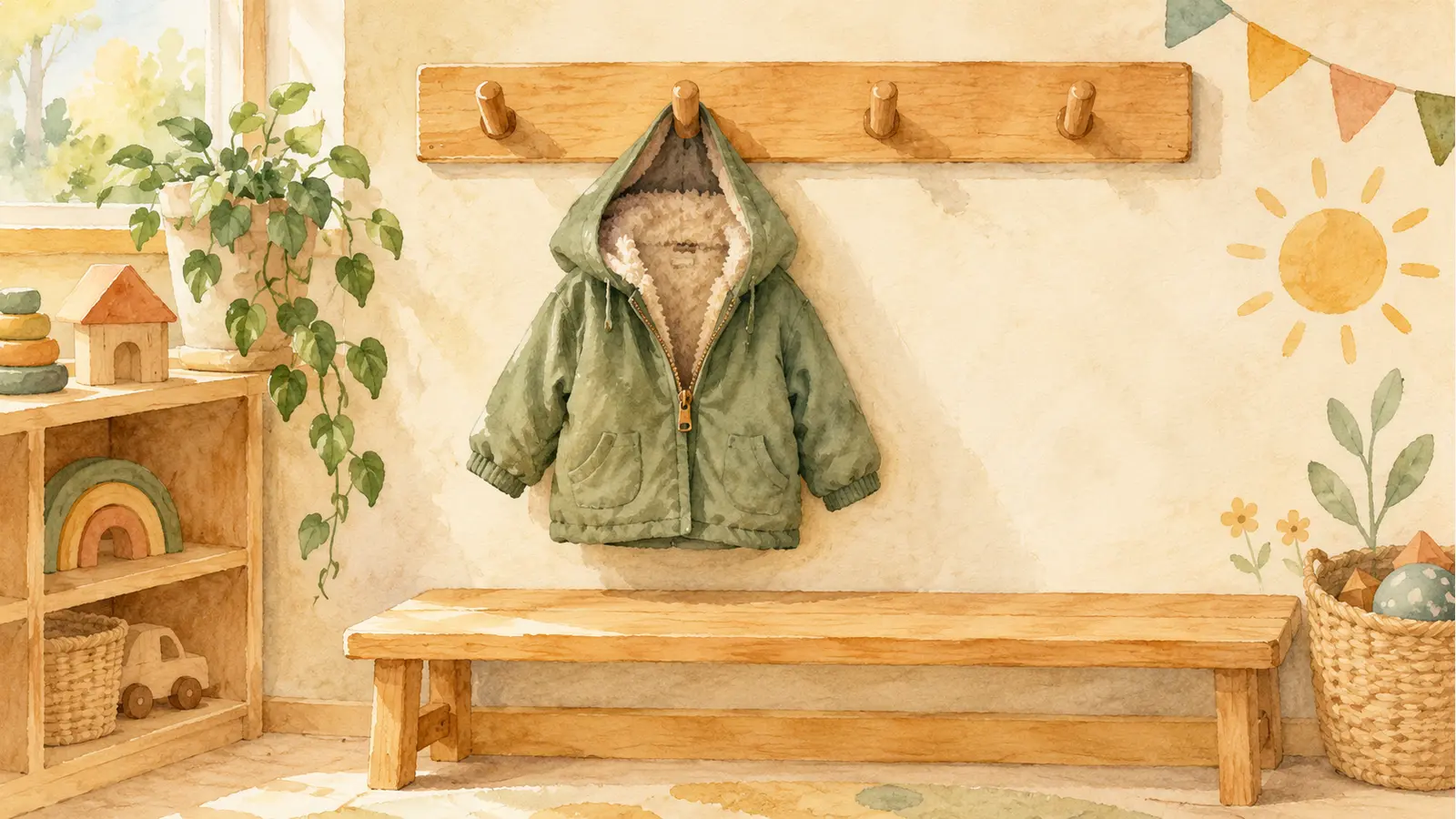
Julien had already opened the coat when Oscar, his four-and-a-half-year-old son, stepped back.
The coat was neither inside out nor particularly tricky. But for several days, his child had always wanted the same parent. For the zip, the glass of water and bedtime, Mum seemed to have become the only qualified person.
Julien replied that he knew perfectly well how to put a coat on. Oscar did not question his qualifications. He simply called louder.
The preferred parent has not necessarily won a competition
When a child always chooses Mum or Dad, the rejected parent may start hearing more than the immediate request. Not just “I wanted her help”, but “I’m happier with her”.
That hurt deserves acknowledgement between adults. It does not need to become a debt the child must repay with a cuddle, a compliment or proof of love.
A preference can attach itself to a habit, a tired moment or the wish to decide who does what. On its own, it cannot rank family relationships. And nobody can promise it will change by next week.
Julien could therefore feel hurt without asking Oscar to reassure him. Meanwhile, the chosen parent did not have to take over every task automatically to make the protests stop.
Arrange the handover before the zip
The hardest part had become the three-person scene: one tried, Oscar refused and the other arrived to finish. The zip went up, but the next handover was already starting at a disadvantage.
The adults could agree on a few ordinary moments for Julien to handle, then announce them simply. Not to impose a punitive separation or make Mum impossible to find. To let everyone build their own habits.
In the hallway, that could sound like:
“You wanted Mum to help. Today, I’m doing your coat.”
“You can be disappointed. I’m here to help when you’re ready.”
A gentler handover, a small shared ritual or postponing something new on an exhausting day can also help. The aim is not to win every refusal. Intense, new or persistent fear of a parent does, however, call for looking beyond a simple preference.
Oscar called for Mum again. Julien waited with the coat open, then Oscar offered him one arm. The second took longer. Julien did not ask whether he was his favourite again.
Keep this handy
The situation
Your child asks for the same parent for everyday tasks and refuses the other.
Try this
Agree on handovers between adults, explain who will help and acknowledge disappointment without asking the child to repair a parent’s hurt feelings.
- “You would have preferred your other parent. I can help you too.”
Keep in mind: Intense, new or persistent fear calls for understanding the situation beyond a simple preference.