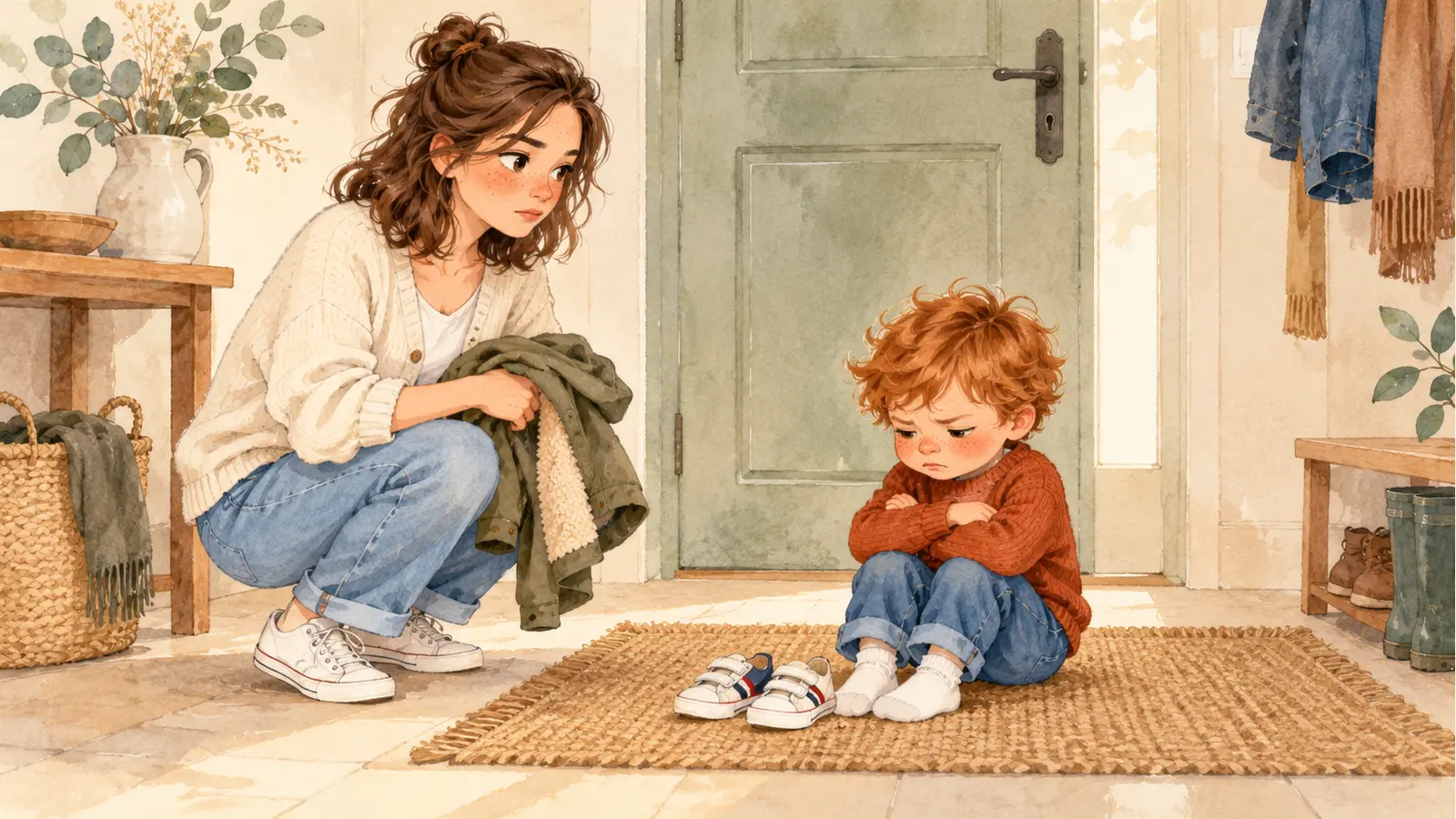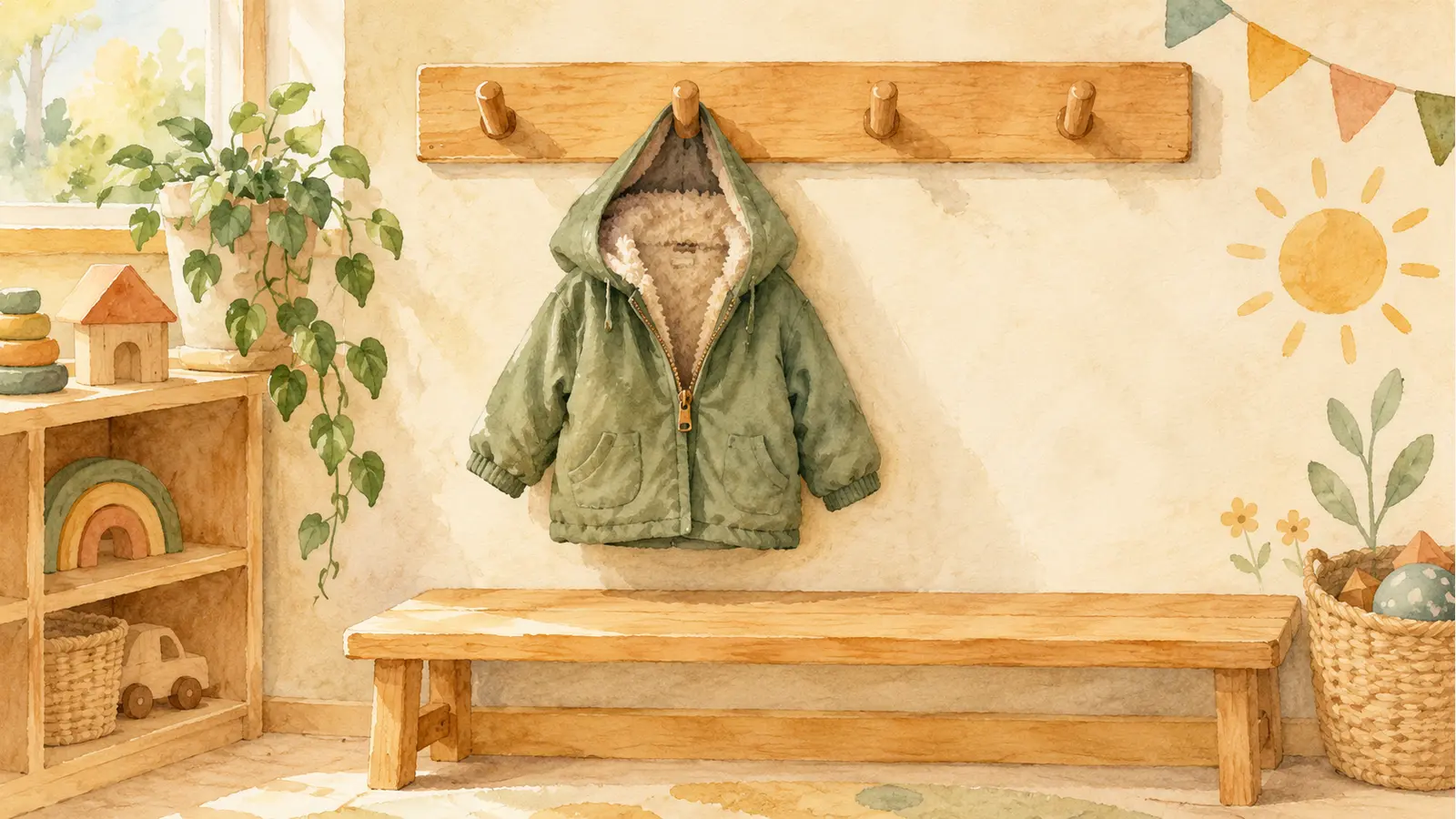
Nora spotted Iris through the nursery window before anyone had opened the door. Her three-and-a-half-year-old daughter was running towards her, rosy-cheeked, with her coat half open.
It was chilly outside. Nora immediately thought: They haven’t even done it up properly.
She hadn’t asked how the day had gone, but her mind had already built a little story. If no one had noticed the coat, what else had been forgotten?
The member of staff accompanying Iris said hello. Nora replied politely while staring at the zip.
A detail can become a verdict
When we entrust our children to other adults, we don’t see the hundreds of small acts of care throughout the day. We mostly see what we find at five o’clock: a stained jumper, a missing sock, a coat not properly fastened.
Sometimes those details really matter. A cold child, unsuitable clothing or an ignored need deserve questions. But one detail doesn’t necessarily tell the whole story of the care received.
Nora knew that in theory. Yet, looking at Iris, she wanted to ask why no one had dealt with her zip.
She started differently.
“Was her coat open for long? Did she get cold?”
The staff member explained that Iris had asked to zip up her coat herself. She had almost managed, then run towards the door when she saw her mum. Iris confirmed it, very proudly: “I did it almost all by myself!”
Nora had seen possible neglect. Iris had mostly experienced a small achievement in doing things herself.
Asking the question before inventing the answer
The explanation doesn’t mean accepting everything without discussion. Nora may need to know how the team helps children when it is cold, or how they spot those who need assistance.
But she can ask without starting with an accusation.
“I noticed her coat was open. Do you know what happened?”
“When she wants to get dressed herself, what do you do if she can’t quite manage yet?”
A good conversation doesn’t guarantee agreement every time. At least it allows people to talk about the same event, rather than respond to a story one of them has silently made up.
On the way home, Iris insisted on zipping her coat right up. It took a little time, two attempts and a small helping hand.
Nora smiled at how proud Iris looked. That half-open coat was also a sign that she was learning to do things for herself.
Keep this handy
The situation
An open coat at nursery pick-up can be enough to trigger worry.
Try this
Listen to what your child shares and find one helpful cue for the next goodbye or reunion.
- “What was the easiest part, and what was the hardest?”
Keep in mind: A difficult goodbye or pickup does not tell the whole story of the day.