Gabriel, my nearly four-year-old son, had just put his pyjamas on. I’d referred to his “little thing” while reminding him to dry himself. He asked what it was really called.
I started an answer, changed my wording, then picked up the towel again. Apparently, this towel was a very absorbing activity.
Gabriel was still waiting.
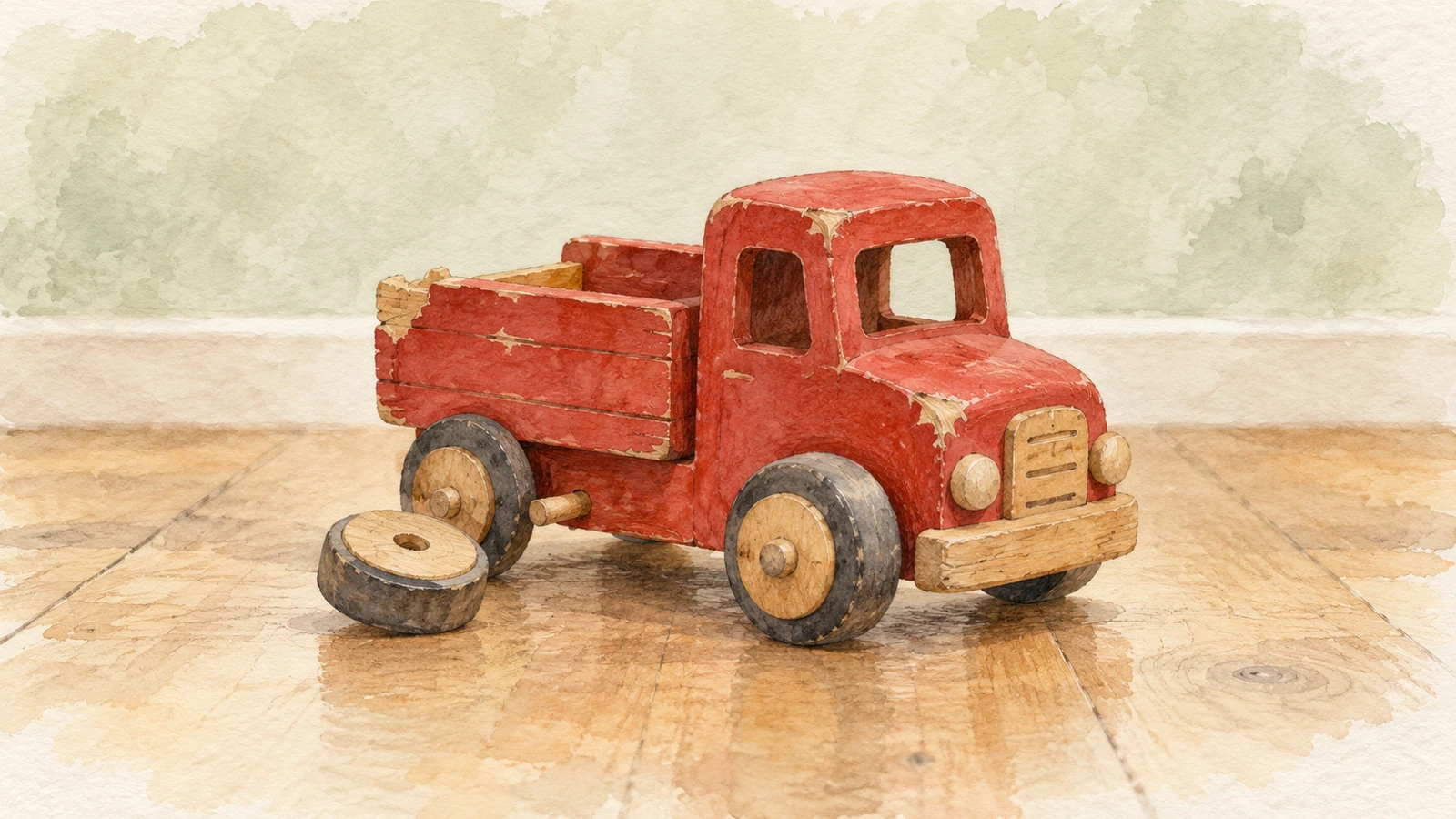
I finally said “penis”. He repeated the word and asked where his red truck was.
I was still in the bathroom, feeling as though I’d opened an enormous conversation. He’d mainly asked for a name.
My embarrassment had added mystery
I could name his elbow, belly button or knee without looking for a cuter expression. For this part of his body, I suddenly wanted to take a detour.
Yet Gabriel hadn’t lowered his voice or laughed. My reaction might suggest that there was an embarrassing question here, when he was simply trying to find out.
I didn’t need to explain everything I knew about bodies or sexuality. I could answer his question with an accurate word, then see whether he had another.
“It’s called a penis. It’s a part of your body.”
A name could be enough. If he asked more, I could continue simply, without preparing all his next questions for him.
Words and small refusals go together
Talking about the body also happens in less solemn moments. When I help him wash, when he wants to close the door or when he asks me to stop tickling.
I can say what I’m about to do and listen to his response. If he says stop during a game, I stop. If he needs help getting clean, I explain the necessary action and let him do what he can himself.
That doesn’t mean turning every wash into a lesson. A clear sentence, a less hurried movement, a question I answer: that’s already plenty.
I can also say that some parts of the body are private. That’s about respect and times when we cover up; it doesn’t prevent us from naming them or talking about them with a trusted adult.
Gabriel had found his truck. I handed him the towel for his hair.
Next time, I’ll try starting with the word. The towel can wait.