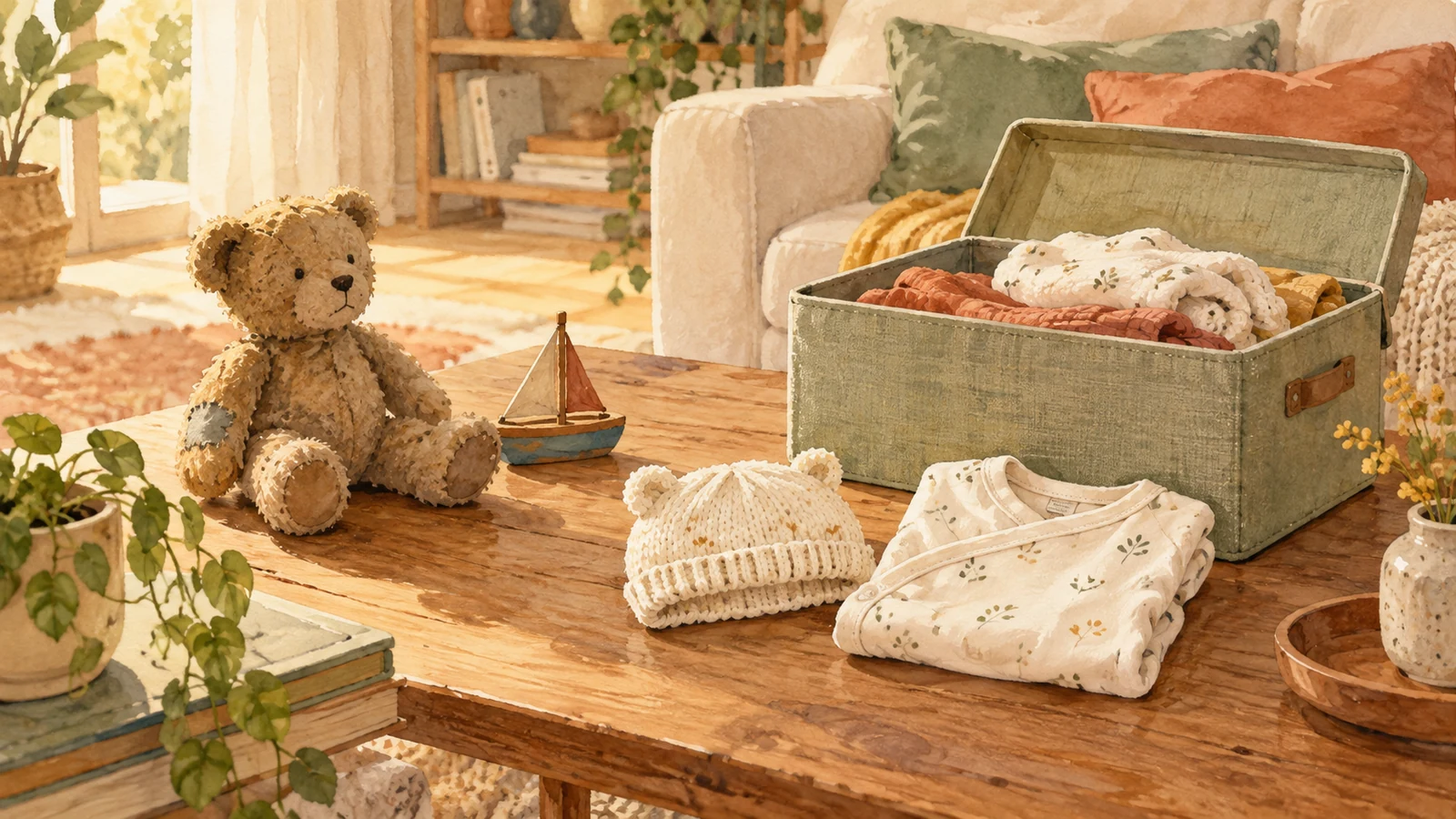
While sorting through a box, I found the hat Alice, my two-year-old daughter, wore as a newborn. Oscar, my four-and-a-half-year-old son, put it on his teddy bear. It barely covered one ear.
It reminded me of Alice’s first days at home. Oscar was two and a half then and several adults had told him he was going to have a little sister to play with.
What he found was a baby who slept, cried and sometimes interrupted his bedtime story. When I suggested giving her a kiss, he preferred to go back to his teddy.
I had wondered whether my child didn’t like the new baby. We had described a happy meeting; he mostly seemed to be wondering when our usual life would resume.
Not loving the new baby straight away
Before the birth, I was already imagining Oscar showing her his toys. Afterwards, I watched for signs: a glance, a gentle touch, a gesture proving that the relationship was off to a good start.
His indifference worried me because I was expecting a particular reaction. Yet this baby wasn’t a playmate for him. What he mostly knew were the moments when we were less available.
He could miss our old routine without having decided anything about his sister. And even a gentle touch wouldn’t have told me exactly how he felt.
I didn’t need to assume enormous love or permanent rejection. I could start by accepting what he was showing that day.
Offer contact without asking for proof of love
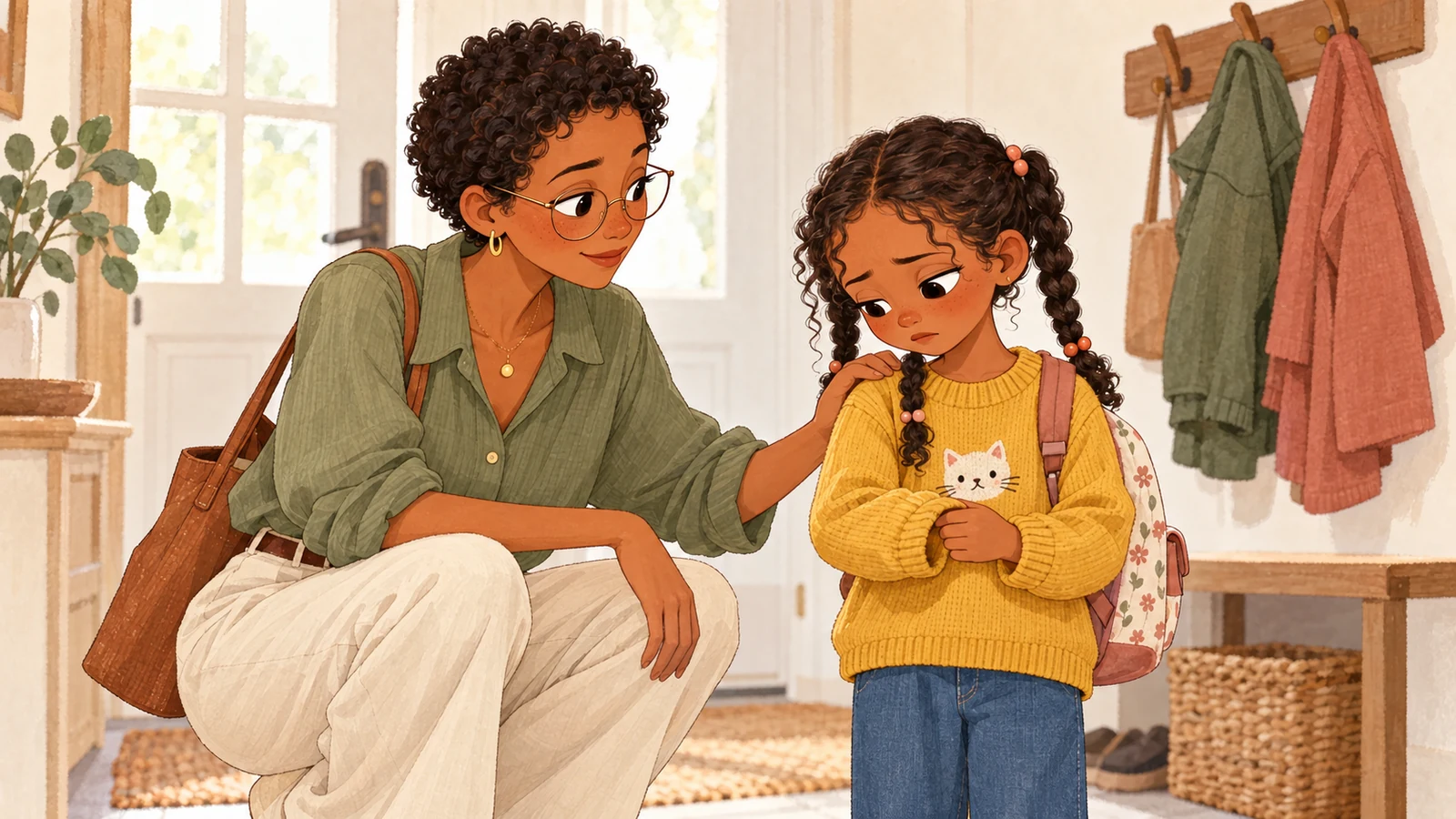
I tried to comment less on every moment they came closer. Oscar could watch Alice move her feet, come near us or go back to playing. He didn’t have to become my assistant or offer his teddy to make a successful start as a big brother.
When something he did might hurt the baby, I stepped in. Respecting his feelings didn’t mean allowing everything. But I could set that limit without adding that a big brother ought to love his sister.
We can offer a small way to join in, then let the child take it or leave it.
“You can come and look at her little feet if you want. Your teddy is still yours.”
“You don't feel like giving her a kiss. That's okay. We can be near her without kissing.”
We can also keep a piece of the old routine when possible: finish a story together, for example, without using the moment to talk about the baby again.
Today, Oscar gave the hat back to Alice. She put it on a boat, then they argued over the boat. I didn’t look for proof of love or its opposite.
The hat had changed heads. The teddy had stayed with Oscar.