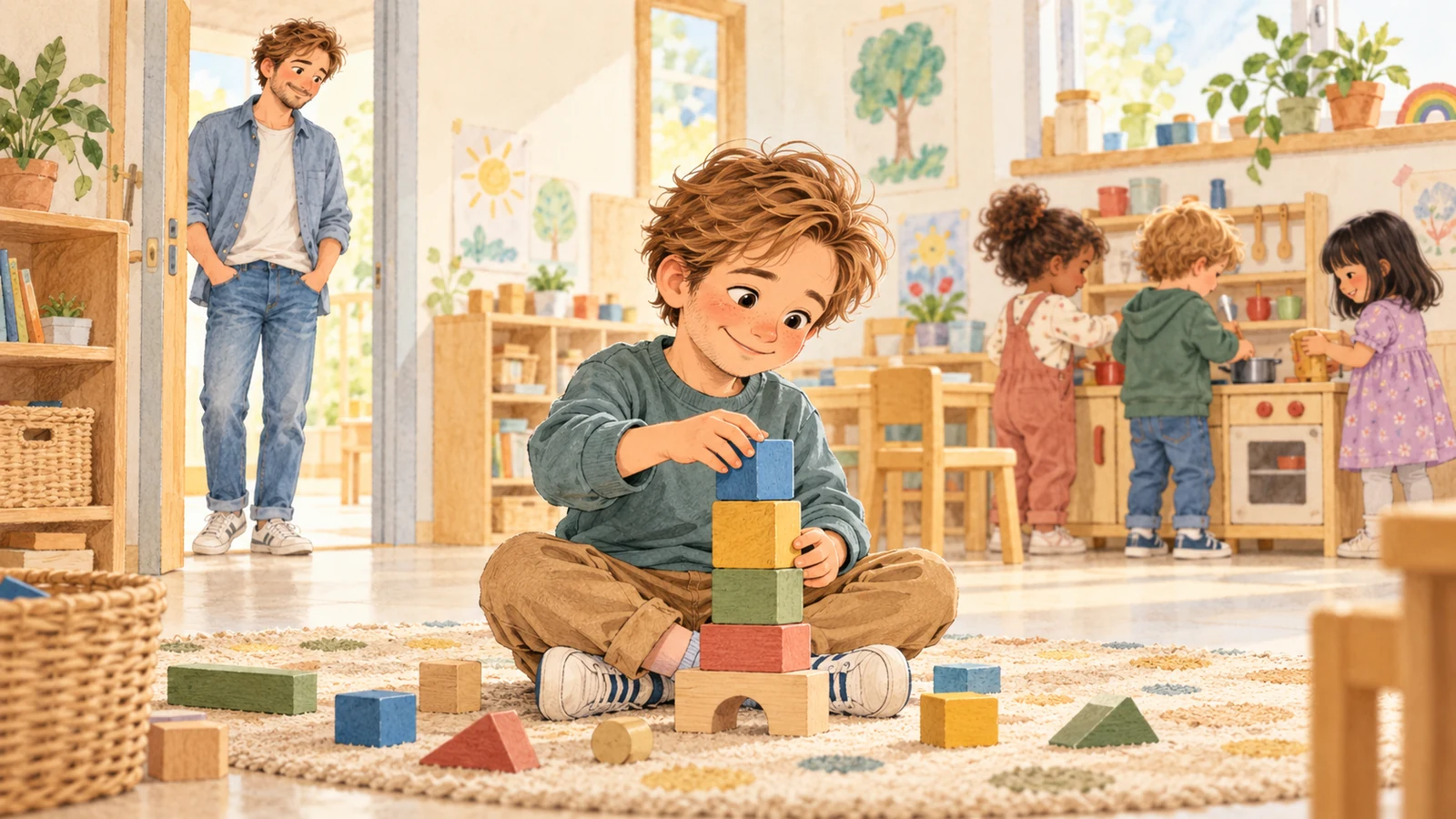
Louise, five, put her bag down in the hallway and announced that she would no longer invite Zoé over. Élodie, her mum, looked at the two drawings they had made together the day before, still on the table.
At school, Zoé had chosen to play with another child. Louise had protested: they had planned to play their usual game. Zoé had left anyway and Louise had waited for her. Zoé had not come back.
Élodie wanted to say that a real friend would not do that. A sentence ready to defend her daughter, with a rather quick conclusion about a five-year-old.
“He’s not my friend any more” can be about today
For Louise, the hurt was real. She had waited for someone who had not come. Immediately explaining that they would play together again tomorrow would mostly have told Louise there was no reason to be sad.
But taking her hurt seriously did not require Élodie to confirm that the friendship was over.
She could separate what Louise was describing from the verdict she added: today, Zoé had played elsewhere; Louise had felt left out. Nobody knew what would happen next yet.
Élodie had neither seen the playground nor heard the exchanges. She could believe that her daughter had been hurt without claiming to know the whole scene, turning Zoé into a bad friend or immediately looking for what Louise should have done differently.
Help without deciding the relationship
Élodie asked what had hurt the most. Louise answered: “She didn’t even tell me she was leaving.”
That was more specific than “we’re not friends any more”. They could start there.
As when a child spends time alone at school, a moment they describe deserves attention without assuming it represents every day.
Tomorrow, Louise could ask Zoé whether she wanted to play, choose another group or keep a little distance. Élodie did not have to make her reconcile just to put everything back in order.
“You were waiting for her and you felt sad when she left.”
“Tomorrow, you can ask her to play if you want to. You can also play with someone else.”
If being left out kept happening, alongside teasing or fear of going to school, Élodie would speak to the staff. Not settling a single day’s disagreement does not mean leaving a child alone with something that continues.
Louise asked whether she could keep the drawings. Élodie said they were hers.
The drawings stayed on the table. They did not need to decide about the invitation that evening.