One friend had told me her son fell asleep easily. Another had sent a photo of his finished lunch. At school pick-up, I’d seen a little girl playing peacefully while her mother chatted.
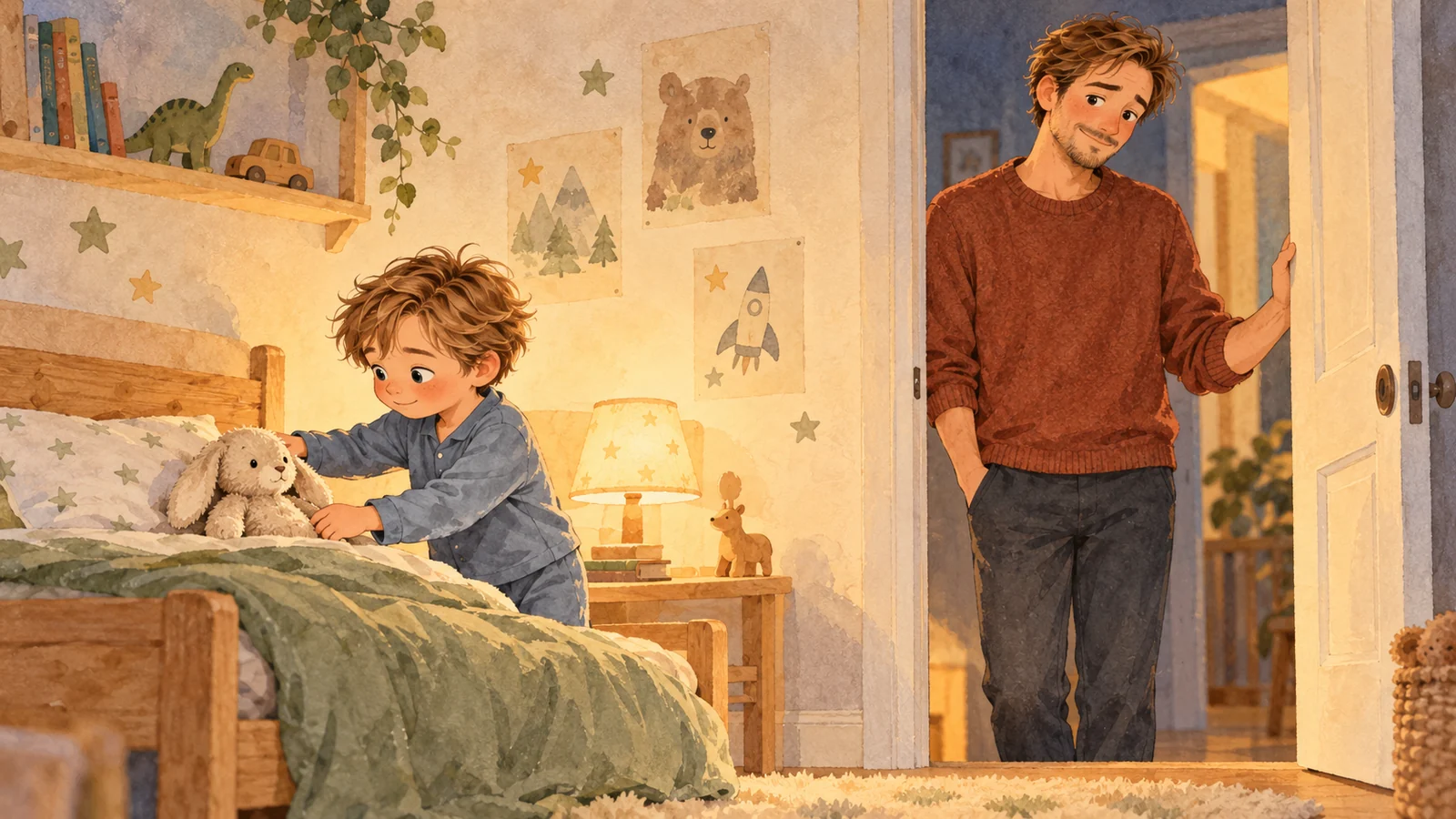
That evening, Louise, my five-year-old daughter, refused her vegetables and wanted me with her at bedtime.
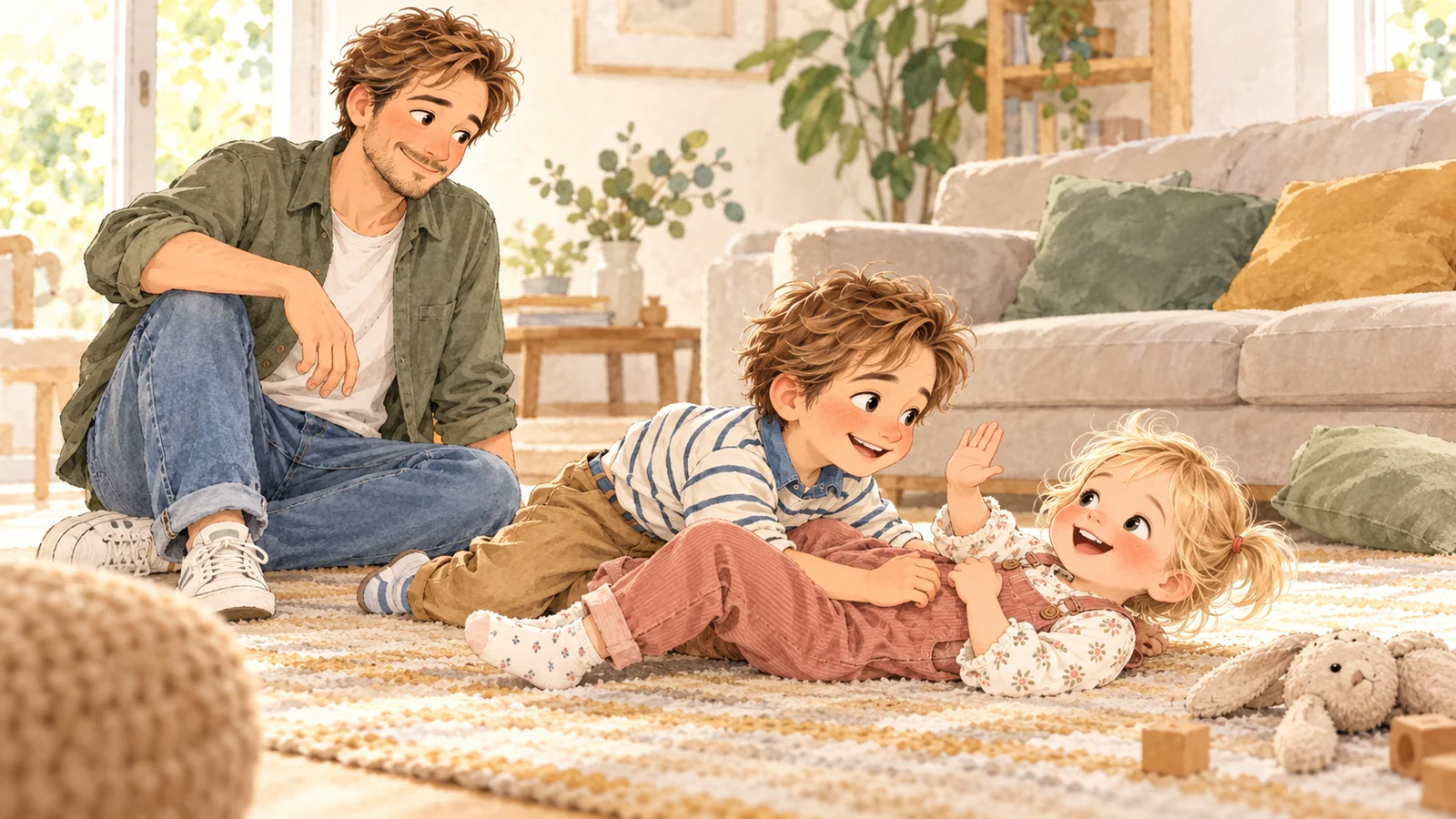
I thought: other people’s children sleep, eat and play on their own.
I had assembled an ideal family out of three different families.
Comparing a whole day with a few selected pieces
None of those people had lied to me. The boy might well fall asleep easily. The plate really was empty. The little girl had genuinely played by herself while I watched.
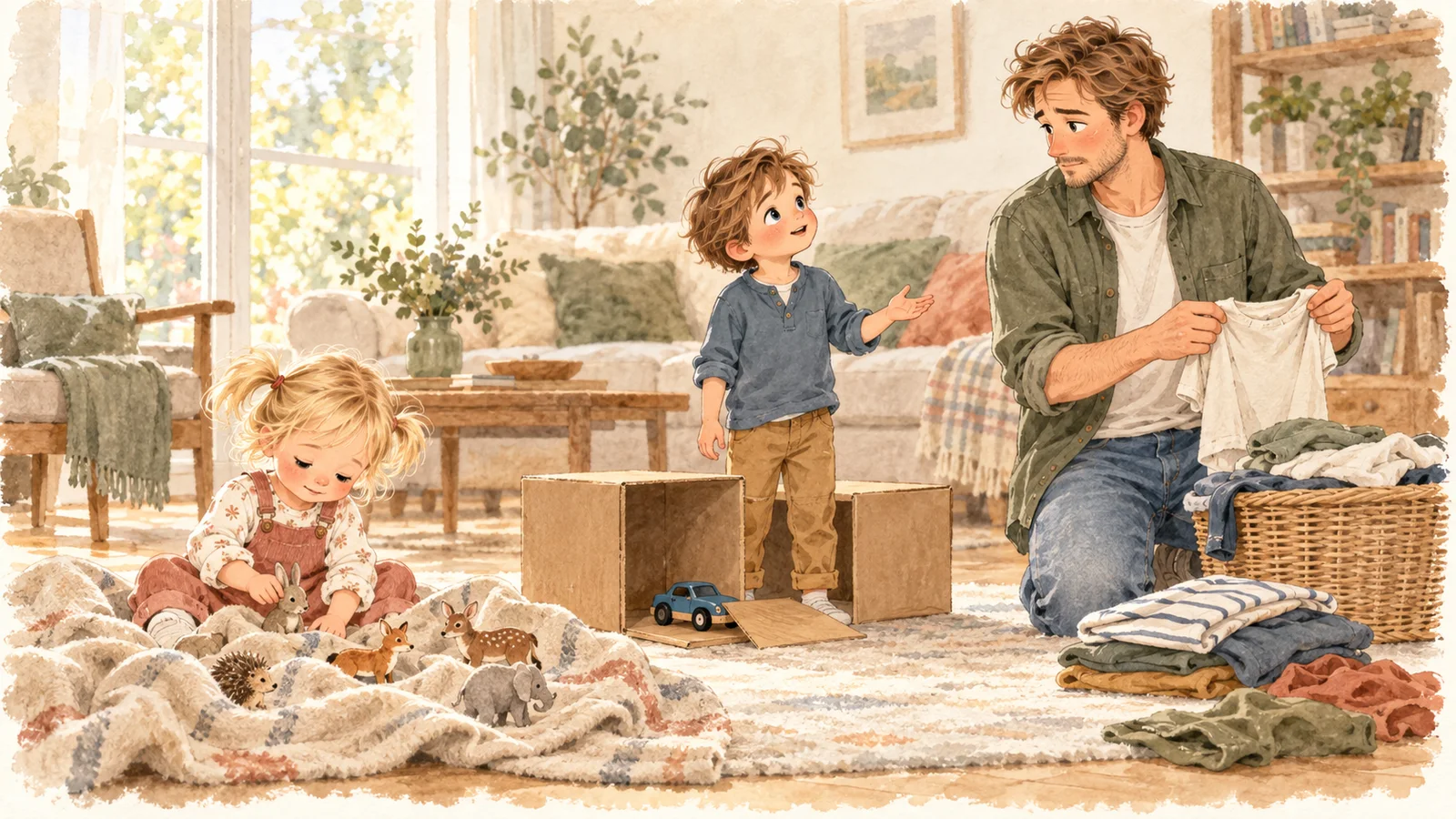
I was the one who had linked those details into a verdict on my own life. Beside their few minutes, I placed our entire evening, with the negotiations, the tiredness and the pyjamas still in the basket.
I didn’t necessarily know their other difficulties. But I didn’t need to invent any to balance the picture either. Thinking “they must have hidden problems” was another way of spending my evening in their homes.
I could simply return to what I knew: one specific thing, with one specific person, at one specific moment. Not a report on an entire experience of parenting.
Return to the problem that actually exists at home
Louise’s bedtime was still difficult that evening. Comparing it with my friend’s son’s bedtime gave us neither more time nor more energy to help.
I tried replacing “why can everyone else do it?” with a smaller question: what did we need for this bedtime?
I could tell Louise when I’d leave the room, choose just one story with her or work out a real handover with the other parent. If the difficulty kept returning, we could revisit it calmly. I didn’t have to prove everything was fine in order to stop comparing us.
Other people’s experiences could even become interesting again once they were no longer part of a ranking. I could ask my friend what she had tried without turning her answer into a compulsory programme for our home.
The next day, I came across the photo of the plate again. I saw a finished lunch, not a mother doing better than me.
Louise left some vegetables again. I could deal with that plate. It didn’t need to carry all the ones I’d seen in other homes as well.
Keep this handy
The situation
Meals and bedtimes look easier in other families?
Try this
Keep a simple bedtime cue and listen to what makes this transition hard for your child.
- “What would help make this part a little easier?”
Keep in mind: Sleep needs vary with age and circumstances; a routine is a tool, not an absolute rule.