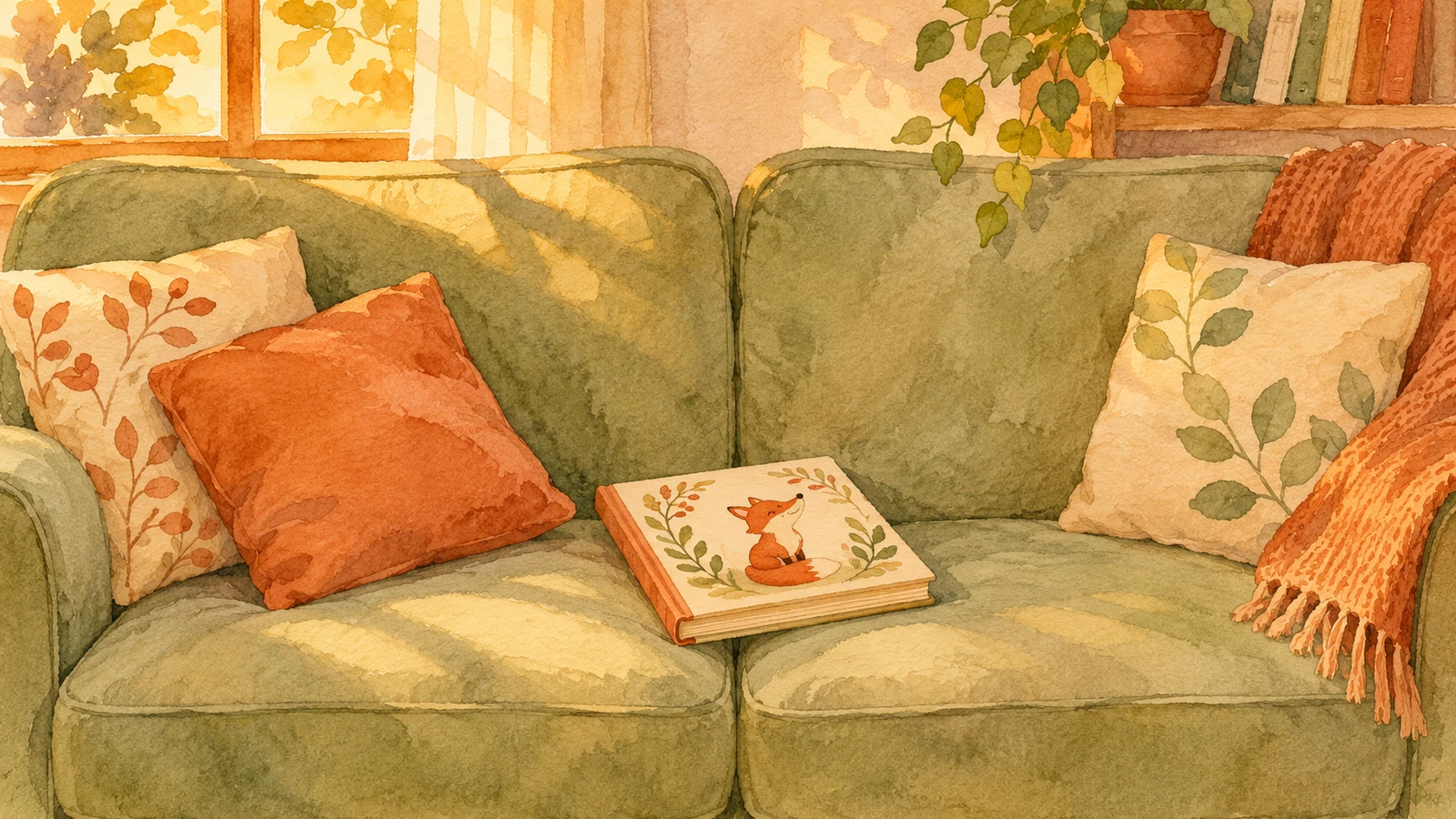
Five-year-old Louise settles onto her mum Élodie’s lap with a picture book before she’s even asked her to read it. Her heel digs into Élodie’s thigh. Élodie shifts her leg, Louise moves closer, and this time Élodie asks her to sit next to her.
Louise holds the book to her chest. “Don’t you want me?” Élodie only wanted a bit of space on the sofa, and she feels the weight of the question. She pats the cushion beside her. She wants to read with her daughter, and she wants her lap to herself.
Say no to the touch and say what you want
A child may hold out their arms, climb onto a lap or give someone a kiss because they want to be close. If the adult doesn’t want that contact, they can name the action and set a boundary. Élodie can ask Louise to move before her heel really starts to hurt.
Sometimes the child will be disappointed. You can stay with them and keep the boundary. If you offer to sit side by side, hold hands or wave, pick something you actually feel comfortable doing. Your child can turn down the offer too.
Show that either person can change their mind
“I’d love to read with you. I’d like you to sit next to me.”
“I wanted a cuddle a moment ago. Now I need you to let go.”
When you need the contact to stop, you can gently help your child move. When they pull their hand away or move back, the adult can stop in turn. By stopping when the other person asks, they show that “no” means the same thing whoever says it.
Louise stands there for a moment, then sits beside Élodie and opens the book on her own lap. She leaves herself room to turn the pages. Élodie leans just far enough to see the pictures and starts to read.
Keep this handy
The situation
Your child climbs onto your lap or wants a cuddle you don’t feel like giving.
Try this
Say which contact you want to stop and, if you like, offer another way to spend time together.
- I’d like to read with you. Please sit next to me.
Keep in mind: Either person can decline contact or change their mind.