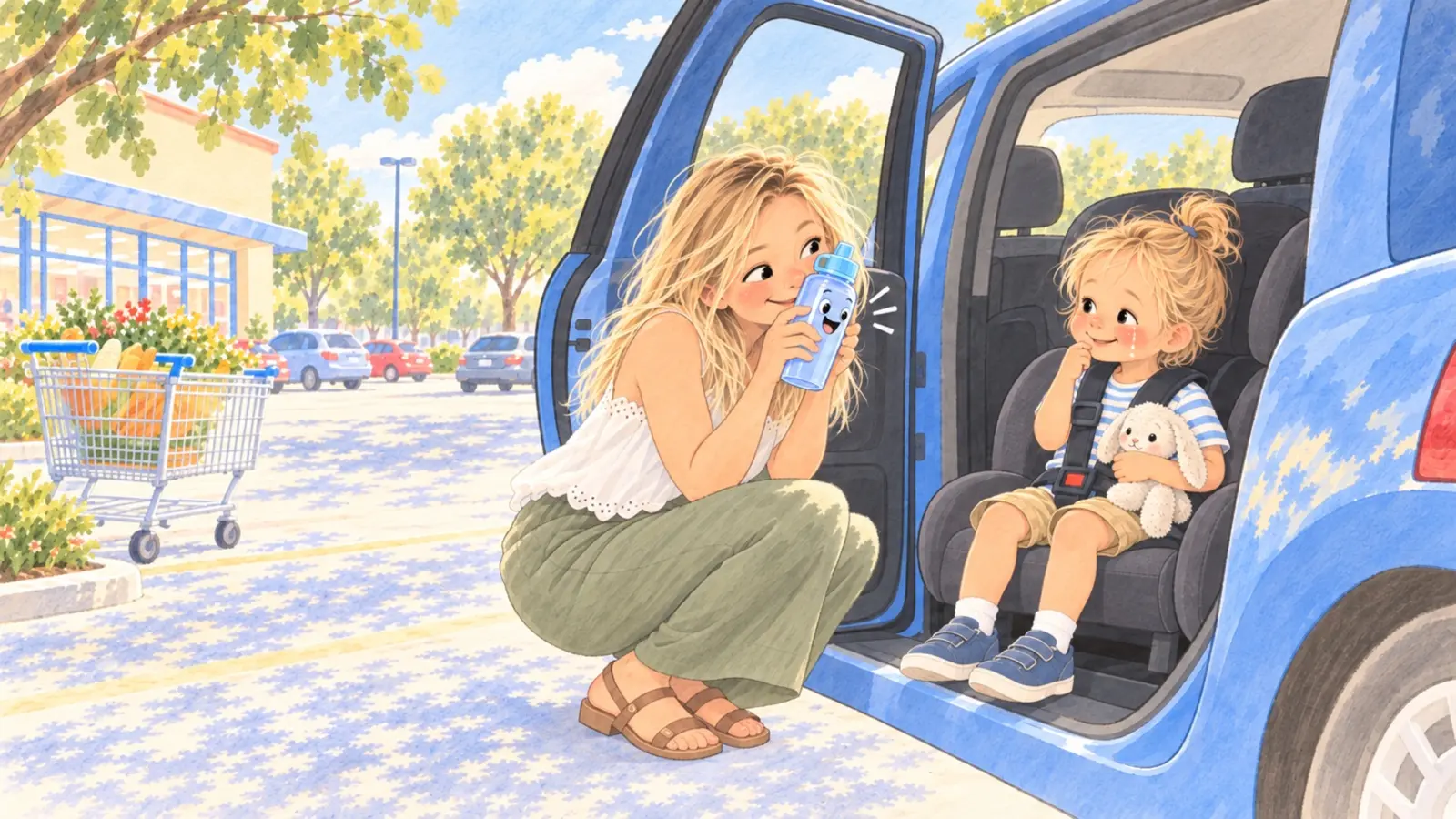
Sometimes the best tools for helping a child express a big angry feeling do not come from a parenting book or an emotions kit.
They are simply lying on the ground.
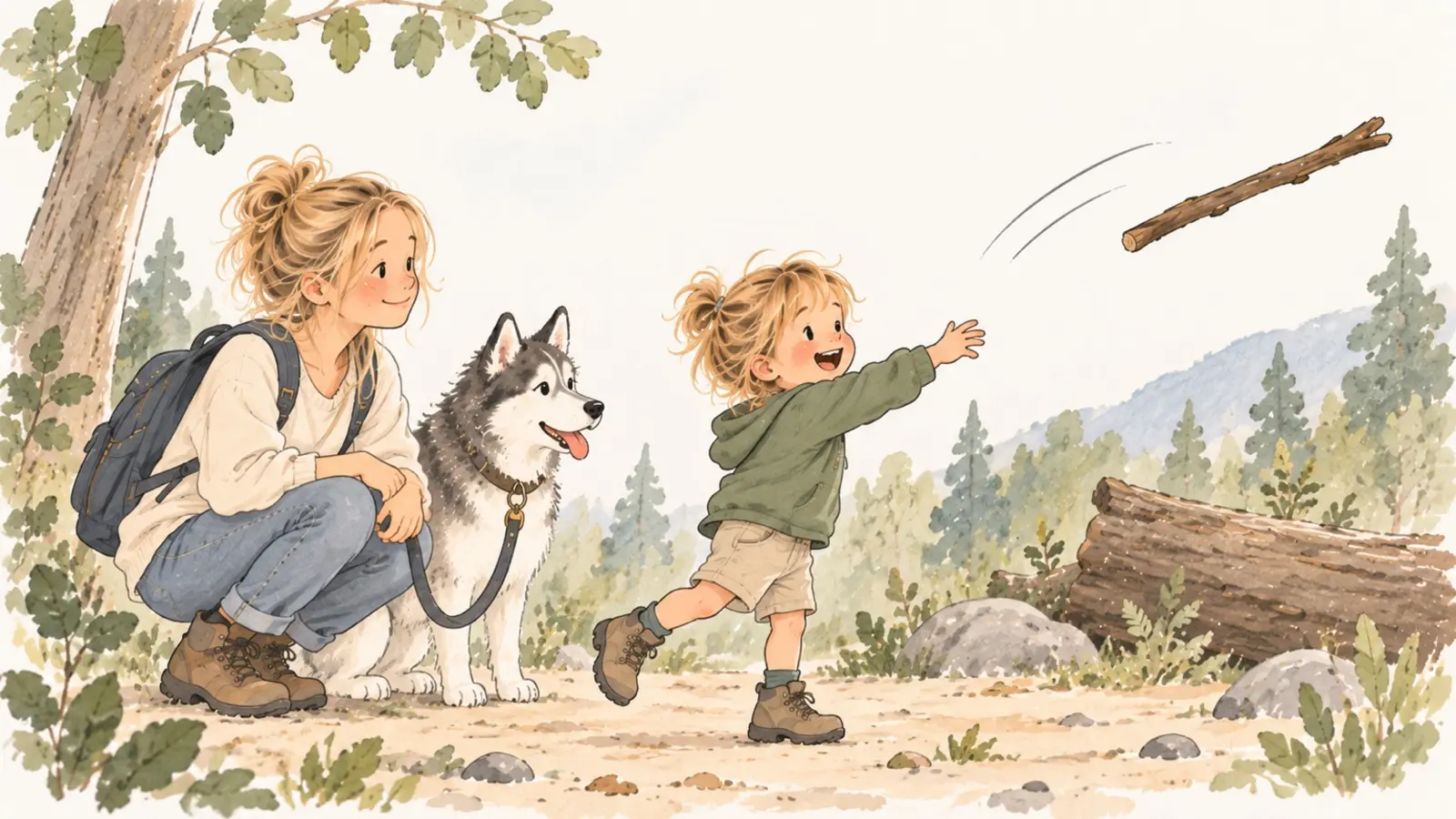
We were out walking as a family with Shadow, our husky. Gabriel asked if he could hold the lead.
The problem is that Shadow weighs more than twice what he does and can react when he sees certain dogs.
So I had to say no.
Gabriel was deeply disappointed.
I told him:
But sometimes acknowledging a feeling is not enough to make it smaller.
His kept growing.
I picked up a tiny piece of wood from the ground.
I asked:
I picked up another one, slightly larger.
By then, he was already barely crying.
So I found a huge stick.
This time, Gabriel smiled.
I asked if he wanted to throw it.
Of course he wanted to throw it.
He did.
Then he spotted a fallen tree a little further along.
A few seconds later, he was off climbing his tree.
The storm had passed.
Helping a child make anger visible
I had not prepared anything.
I simply used what was around us to give shape to something that felt huge but invisible to him.
Instead of being only inside the feeling, Gabriel could begin to look at it.
To show me its size.
Then, quite literally, to throw it.
The “no” did not change. He did not end up holding Shadow’s lead.
But his feeling had found a way out.
Children do not always need us to fix what they feel.
Sometimes they mainly need help showing it, making it visible and moving through it.
And sometimes the tool we need is already right at our feet.