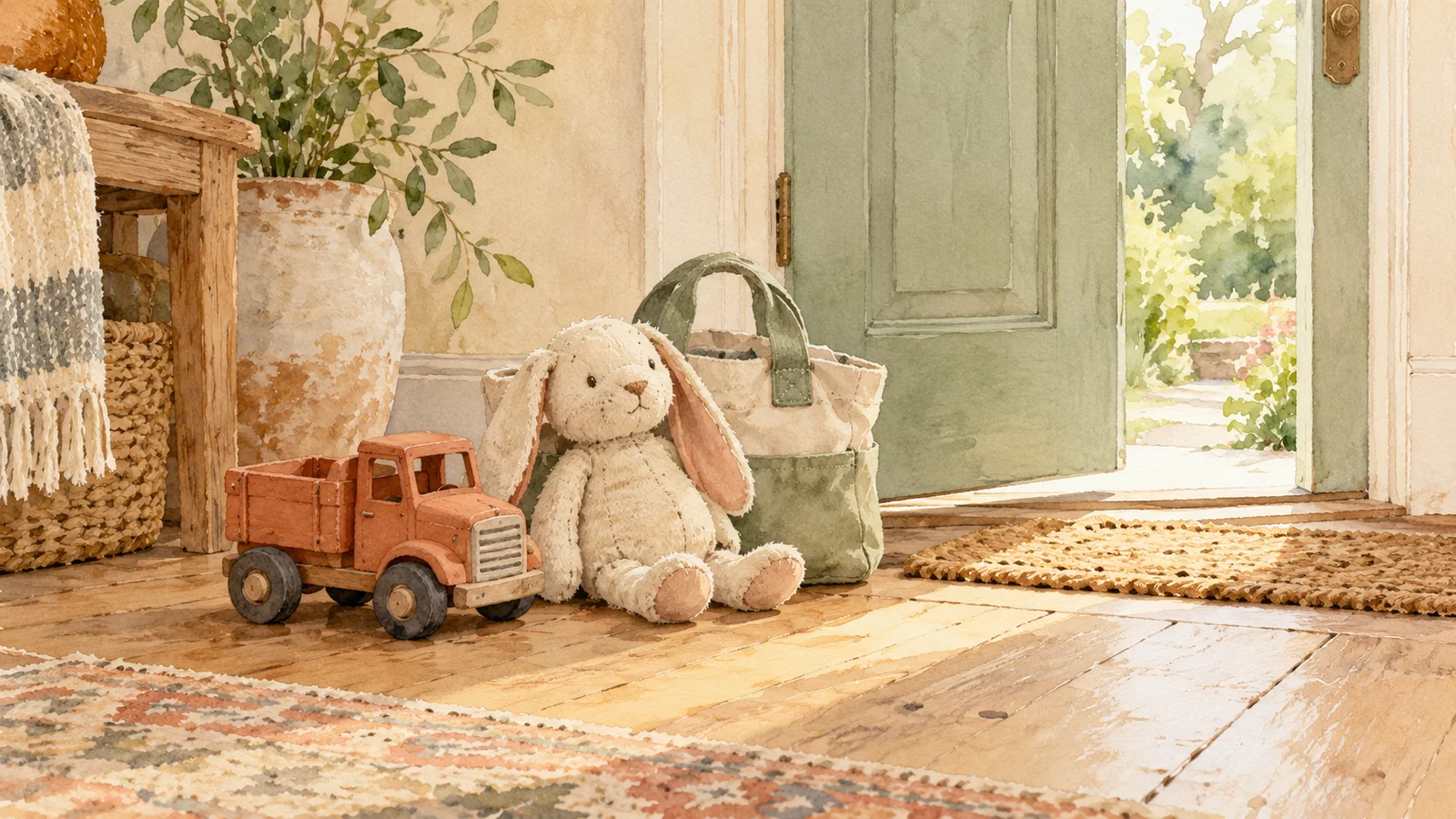
Julien was making dinner while Alice, his two-year-old daughter, emptied a basket of blocks. Oscar, his four-and-a-half-year-old son, was building a garage on the rug.
Oscar pushed two blocks towards his sister. Then Alice asked for the red car. Julien called Oscar again. The car changed hands, the garage collapsed and Oscar ended up shouting that he did not want to be big any more.
Julien thought he was asking for a small favour. By repeating the same request, he had given his son a much larger role: the one who gives way, explains and puts things right because he was born first.
When the oldest child always has to give way
As with the distinction between helping with tasks and taking on adult responsibilities, the details matter. Here, it was not one isolated favour weighing on Oscar. It was the accumulation: interrupting his game, giving away his blocks, handing over his car, then staying patient.
At four and a half, Oscar is still a child. He may know more words than Alice and still need an adult to protect his construction. He may be able to wait without having to wait every time.
“You’re the big brother” sometimes settles a scene in seconds. It can also establish a silent rule: the younger child’s needs come first, and the oldest adjusts. Jealousy is not necessarily a fault to correct. It may also express the weariness of giving something up yet again.
Making the favour specific and optional
Julien tried again in a different way. He crouched beside Oscar.
The request had a limit, and Oscar could refuse. When he said no, Julien did not argue. He moved the basket towards Alice and protected the garage with his arm.
Later, Oscar brought over the red car himself. That gesture finally belonged to him.
We can also avoid automatically asking the oldest child to give way. Their game deserves protection too. And when there is a real constraint, the adult can explain it without turning birth order into a permanent duty to be good: “I’m helping Alice now. What you need matters too, and I’ll come back to you.”
Oscar went back to his garage. This time, Julien looked after Alice without asking him to take something apart so she could play.
Keep this handy
The situation
Because they are the oldest, your child is often asked to give way, wait or interrupt their game.
Try this
Notice how concessions add up. Ask for a specific favour when useful, and protect the oldest child’s game instead of expecting them to give way by default.
- “You can keep your car. I’ll find something else for your sister.”
- “You’re allowed to need me too.”
Keep in mind: Family constraints are real. An adult can explain a priority or a wait without making the oldest child permanently responsible for the younger one.