During the nap of Malo, my almost three-year-old son, I had sorted the toys. A bag had left the house and the living room finally looked like somewhere you could walk.
When he woke up, he looked for his little yellow bus.
It was precisely the one I’d given away. I hadn’t seen him play with it for weeks. My child, meanwhile, knew exactly where it ought to be.
“Where's my bus?”
I had a second to choose between “I don’t know” and what had really happened.
The missing toy also tells the story of a decision
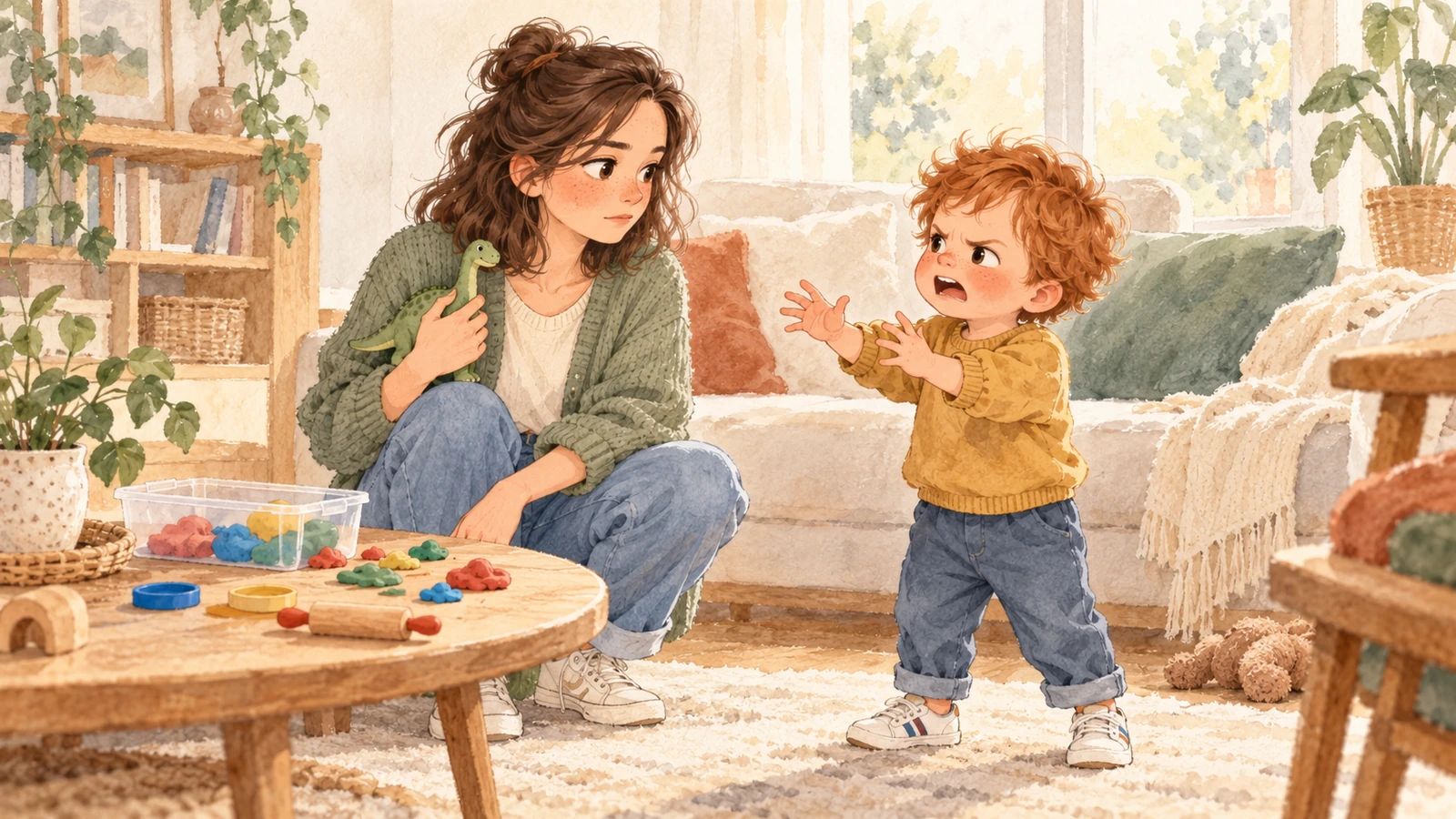
I said I’d given it away because I thought he wasn’t using it any more. Malo replied that it was supposed to take the animals to the garage.
I had assessed an abandoned object. He was returning to a piece of his game at the moment he needed it.
The problem wasn’t just that we had different criteria. I had made the decision while he slept, then counted on him not noticing. My tidying depended, rather quietly, on his forgetting.
I didn’t have to keep every toy to recognise that. I could want fewer objects in the house and admit I’d been wrong to choose this departure on my own.
Say what happened without inventing a return
I said I should have talked to him about it. I couldn’t promise to get the bus back: it had already been given to someone else.
I didn’t add that he should be happy for the other child. Adult generosity doesn’t immediately make it pleasant to lose something of your own.
Malo was angry. I could hear that without immediately replacing the bus with a purchase intended to stop his protests.
Next time we sorted toys, we could start with just a few objects, name those leaving and allow time to check the choice before giving the bag away. Not to organise a vote on every item in the living room, but so decisions about his toys no longer happened entirely behind his back.
“We need some space. We'll look together at which ones can go.”
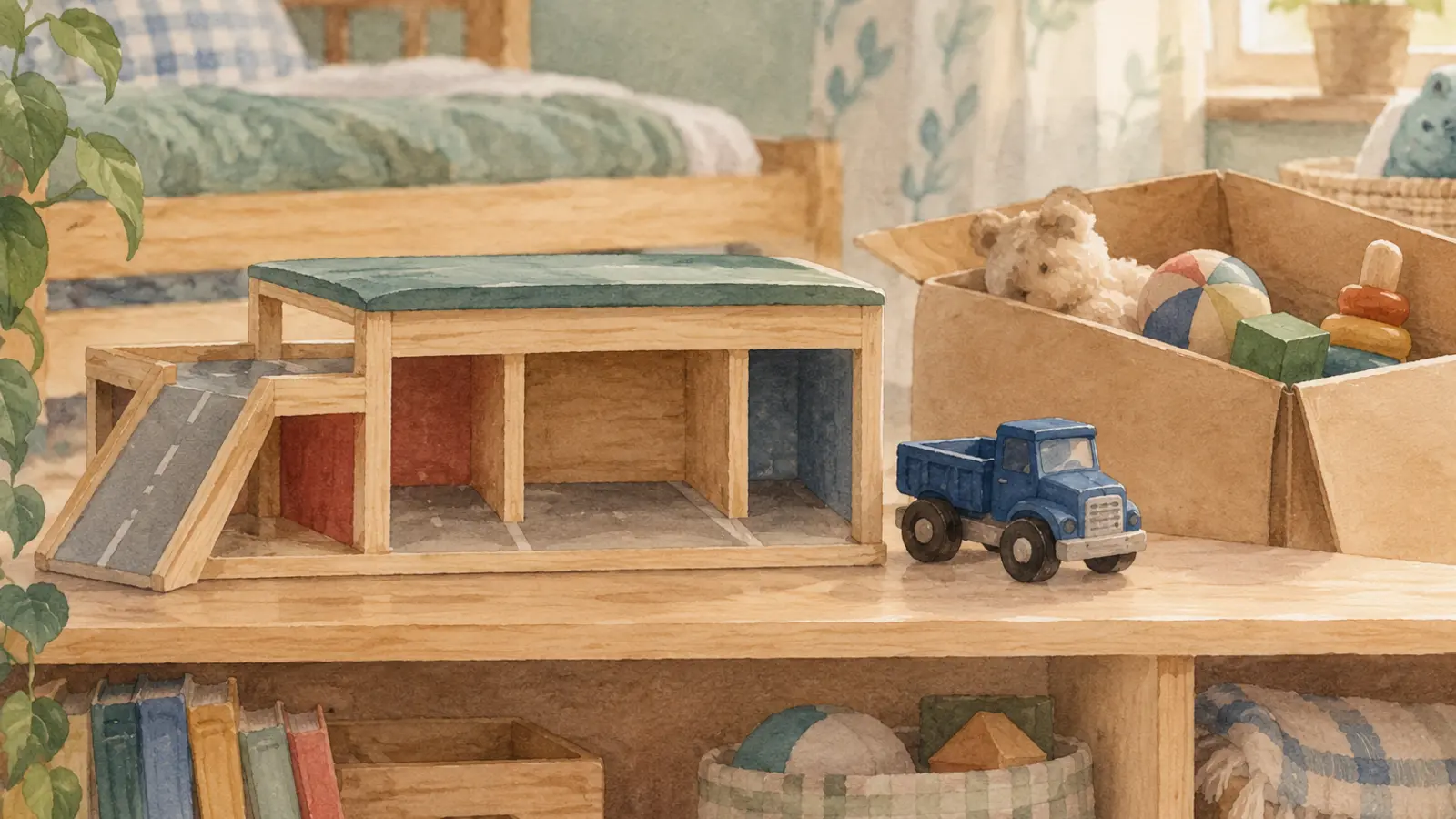
That day, I left the garage accessible and suggested finding another vehicle for the animals. Malo refused, then found a truck.
The truck didn’t erase the bus. And the next nap wouldn’t be an opportunity to finish sorting in secret.
Keep this handy
The situation
You gave away a toy your child no longer used, then they asked for it?
Try this
Keep a simple bedtime cue and listen to what makes this transition hard for your child.
- “What would help make this part a little easier?”
Keep in mind: Sleep needs vary with age and circumstances; a routine is a tool, not an absolute rule.